Running from Ping Pong Balls

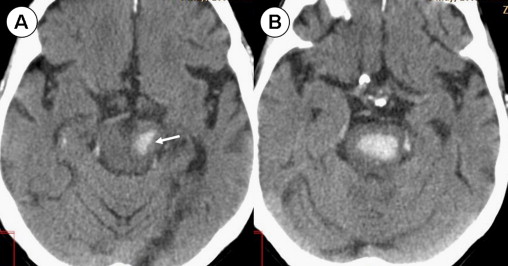
To say the last few days have been a whirlwind would be rather like saying the Titanic had a bit of a leak. On Wednesday evening, I took my mother to the hospital for what was meant to be a harmless little outpatient MRI, the medical equivalent of a quick oil change. We never left. Instead, they discovered a tumor in her right frontal lobe roughly the size and shape of a ping pong ball, which—while delightful on a table with paddles—was considerably less cheery inside someone’s brain.

The worst part was when they yanked me out of the MRI halfway through, deposited me in front of the neurologist, and explained the horror in that brisk, matter-of-fact tone doctors seem to perfect in medical school—equal parts terrifying and unhelpfully calm. I had my three-year-old in tow at the time, who was requesting snacks with the urgency of a union boss, and holding myself together for both of us felt like a feat of Olympic-level emotional gymnastics.

About twenty-five minutes later—during which I tried to deep-breathe myself to a distant, tropical beach unpopulated by rubber gloves and antiseptic odors—they wheeled my mom back out. And then, astonishingly, they made me tell her she had not one, but three tumors in her brain. I don’t know what training program covers this particular duty, but I seem to have missed it. To summarise, it was one of the most excruciating moments of my life—and I say that as someone who has already endured a stroke and heart surgery. Within minutes, my mother had been upgraded to Person of the Hour at the ER, though I doubt she appreciated the honor.

Fast-forward three days, and here we still are. After spending 20 thoroughly disorienting hours in the ER—the sort of place where time passes both too quickly and not at all—they moved her to the neurosurgical floor. Compared with the ER, it’s practically a five-star spa. Coma-inducing lighting, yes, but far fewer crashing alarms. Now we sit and wait for Monday’s brain surgery, a phrase I still struggle to process whenever I say it aloud.

Meanwhile, my heart palpitations, which usually stop by for a polite hello a few times each day, have upgraded themselves to full-time roommates, appearing several times an hour. I haven’t mentioned it to anyone—largely because what could they do besides add it to the mounting pile of things none of us can control? So instead, I hold my breath, because the alternative—falling apart—feels almost indistinguishable from not surviving at all.

And yet, here’s the maddening part: I keep telling myself I can run this away. Every health crisis I’ve had, every checkpoint in this absurd obstacle course of existence, I’ve tried to outpace with running shoes and grim determination. But you cannot log enough miles to outrun brain tumors. You cannot map a route long enough to escape them. The more I try, the more disappointed I am when it doesn’t work. Like a disastrous training run, all stumble and stitch and no joy, I can only hope, truly and stubbornly, that this too shall pass.
Running from Everything: The August Marathon

Here in the thick of August, we find ourselves on the last, long lap of summer—the kind you run when you can both see the finish line and also suspect it might, in fact, be moving further away every time you glance up. In our house, the new school year is lurking just around the last bend: two weeks for the kids, but my husband and I are up for a head start with students next week. If this were a Disney race, we’d already have hit the castle, gotten distracted by a Dole Whip, and realized we still have to finish.

I work all summer, so my personal schedule doesn’t change much—it’s the unremarkable “Tomorrowland Speedway” of routines: reliable, uninspired, and a little too loud. But my husband and our kids? Their summer is pure Magic Kingdom chaos: rope drop every morning, parades all day, fireworks every night. Bedtime and wake-up times are more like vague suggestions, as if the laws of time only apply to mortals living outside the borders of summer vacation.

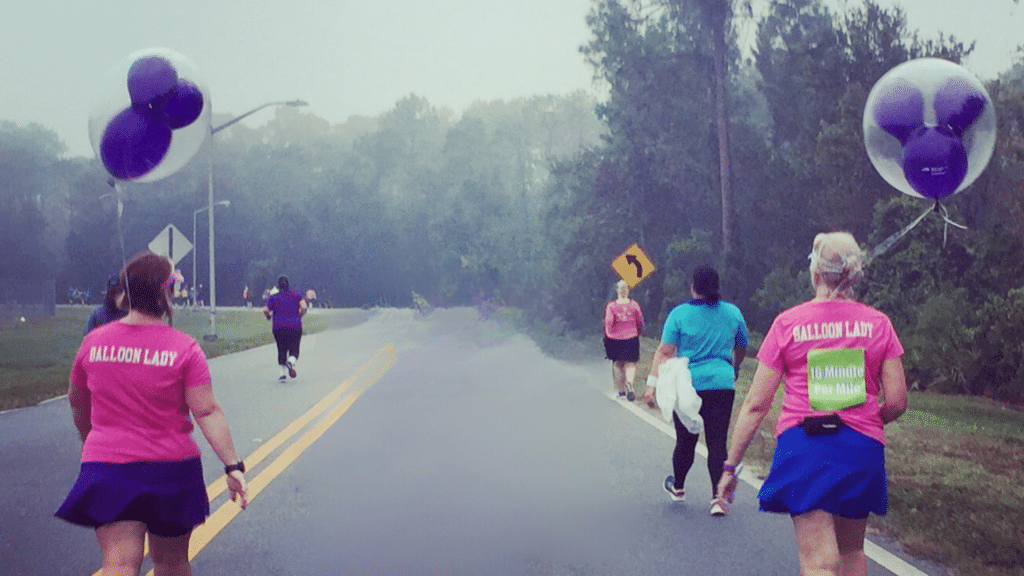
But race director that I am, I know better than to let the “RunDisney After Party” lifestyle run all the way to the start line of school. With two weeks left, I’ve activated the dreaded Operation: Earlier Bedtimes, much to the dismay of the crew who have become accustomed to living like nocturnal pirates. If I don’t do this now, the first day of school will look less like the opening moments of a Disney half marathon and more like the “balloon ladies” coming for anyone left at the back.

To try and restore balance (or at least fake it long enough to get us to the first bell), I’m putting us all on a reentry plan worthy of any Dopey Challenge: one room gets cleaned each day, one load of laundry run, and there’s a loose attempt at meal planning, in between the usual nutritional gambit of “Is this leftover pizza or the lost-and-found churro from last week?” I know this will pay off with more evenings free for kid activities, maybe even some peaceful runs around the neighborhood—my solo laps through the EPCOT of suburban life, waving to neighbors like we’re all characters in some elaborate parade.

Most days, I’m just trying to help my kids (and myself) become finishers in the marathon of “life skills.” The goal isn’t perfection; it’s having options. I want my kids to try gymnastics, football, science club, trombone—whatever piques their curiosity, like a list of Genie+ reservations: the more you sample, the better your story. Back in my day, exploring wasn’t so easy, and specializing was rarely a choice. I’ve found that being a jack-of-all-trades and a master of none has gotten me far: kind of like being able to race all four Disney parks, rather than winning one. In my career and as a coach, I see again and again that it’s the kids who diversify—who build different muscles, learn from new experiences, and sometimes even get a little lost along the way—who really go the distance.

And that’s what I’m aiming for: a family ready not just for school, but for the miles and magic that come after the starting gun sounds.

Running from the Last Day of School

Today is the day every child has circled in red on their mental calendar since September: the Last Day of School. It’s also the day every parent greets with a mixture of dread and existential panic. Not because we don’t want to spend time with our delightful offspring (I mean, we love them, right?), but because the thought of keeping them entertained for the next 100 days is the parenting equivalent of running an ultra-marathon with a backpack full of snacks and a hydration pack filled with cold coffee.

Summer vacation, you see, is not for the faint of heart. It requires the strategic planning of a NASA launch, the logistical coordination of a Disney World vacation, and the snack budget of a minor league baseball team. If you haven’t spent March, April, and most of May quietly panicking about camp sign-ups and wondering if you can buy Goldfish crackers in bulk, you’re simply not doing it right.

Let’s talk numbers. The average child will ask for a snack approximately every 47 minutes during the summer months. Multiply that by three children, factor in the “snack inflation” effect (where a snack is never quite enough), and you’ll find yourself at Costco, staring at a pallet of granola bars, wondering if you should just buy two. Camps are another story: they’re expensive, fill up faster than a Taylor Swift concert, and getting both my 9-year-old and 7-year-old into the same camp, at the same time, is a feat of scheduling wizardry that would make even Len Testa proud.

Now, here’s the real twist: I work all summer. My husband, a teacher, gets to stay home with the kids. This means I can plan every minute of their day with color-coded charts, Pinterest-worthy snack carts (parental approval required, because my middle child would subsist on nothing but snacks if left unchecked), and lists of wholesome activities. But, much like planning a perfect marathon route, I have absolutely no control over whether anyone actually follows the plan. I am the race director who sets up the course, only to watch the runners veer off in search of ice cream.

As a kid, I was never a fan of summer. I liked the reliable routine of school, the thrill of learning, and the predictability of lunch at 11:57 a.m. Summer meant my mom would lock us out of the house until lunchtime, and my dad would sign me up for every volleyball camp in the continental United States. I loved volleyball, but as the perennial “new kid,” making friends was about as easy as running a 5K in flip-flops.

My kids, on the other hand, are thrilled. They’re not yet at the age where sleeping until noon is a competitive sport, but TV, video games, water balloons, and swimming are all firmly on the agenda. Meanwhile, I’ll be working, shuttling to baseball every night, and dodging the daily messes that seem to multiply like rabbits in the summer heat.

And honestly? That’s just fine by me. Because if running has taught me anything, it’s that you don’t have to enjoy every mile—sometimes, you just have to keep moving forward, one snack break at a time.

Running from Neurological Oddities

There are few things more humbling than spending your lunch hour watching videos of yourself learning to walk, talk, and generally function like a human being again. Today, I found myself rewatching the TikToks I posted during my stroke recovery—a sort of highlight reel of my greatest hits and near-misses, all set to whatever pop song was trending in 2022.

I was, if I may say so, impressively strong back then. Not because I was aspiring to be some inspirational poster child, but because, frankly, I had no other option. I chronicled everything: therapy sessions, daily triumphs, the occasional existential dread about the future. It’s all there, preserved in 60-second bursts for posterity—and, apparently, for my own forgetful self.

What struck me most was how much I’d forgotten. For example, I completely blanked on how much my body temperature regulation went haywire. I’m always cold, which is a fun little bonus when you’re also on blood thinners. I also forgot that I lost nerve sensation on my right side. My brain, ever the improviser, now guesses if something is hot or cold based on what my left side is feeling. If you hand me a mug of coffee and I grab it with my right hand, I couldn’t tell you if it’s piping hot or ice cold. It’s like living with a thermostat that’s been installed by a committee of squirrels.

Showers are a particularly surreal experience. If the water hits only my right side, I have no idea if I’m about to be poached or frozen. It’s weird, I know. But then again, the human body is basically a collection of weirdnesses held together by hope and duct tape.

Another delightful quirk: my sense of hunger has left the building. It’s been three years since the stroke, and my appetite is still on vacation. The cruel irony is that, while I don’t actually feel hungry, I still exhibit all the classic symptoms of hanger. My husband can attest to this, usually from a safe distance. Imagine being grumpy, irritable, and irrationally upset, but having no idea why—sort of like a toddler, but with a driver’s license.

Cognitive symptoms are another fun surprise party that my brain likes to throw, usually when I least expect it. Take last night, for example: I sat through a baseball game and froze my tukis off, and my brain responded by turning into a malfunctioning computer. The cold, combined with the sensory overload of the crowd, left me unable to think straight for the rest of the evening. I couldn’t find words, couldn’t remember which pedal was the brake, and brushing my kids’ teeth felt like assembling IKEA furniture without instructions.

Once I get my muscle memory going, I’m usually fine. But sometimes, just remembering how to start is like trying to recall the plot of a dream you had three years ago.

While I’m not exactly running marathons these days, walking and exercise in general have become my secret weapons. They help me feel sharper, more focused, and a little more like the version of myself I remember. Finding tools and routines that work for me is empowering—proof that, even when your brain is throwing curveballs, you can still swing for the fences.

The trick, I’ve learned, is being honest with myself about how I’m feeling. Denial is tempting, but the worst lies are always the ones we tell ourselves. So I keep walking, keep laughing, and keep sharing—even if it’s just with my future self over lunch.

In the end, recovery is less about “getting back to normal” and more about discovering a new normal, quirks and all. And if that means my right hand is forever confused about coffee temperature, well, at least it keeps life interesting.

Running from the Indestructable Seven-Year-Old

There are certain inevitabilities in life: death, taxes, and the school nurse calling me at least three times a week. It’s become so routine that I half expect her to start our conversations with, “Hi, it’s me again,” as if we’re old friends catching up over coffee rather than discussing my seven-year-old son’s latest misadventure.

The calls always come around lunchtime, which is no coincidence. Recess follows lunch, and my son’s face—blessed with the classic Thompson head, which is, let’s be honest, a bit larger than the industry standard—seems to act as a homing beacon for any airborne object within a fifty-foot radius. If there’s a stray basketball, a rogue frisbee, or a meteorite hurtling toward Earth, you can bet it will make a beeline for his forehead.

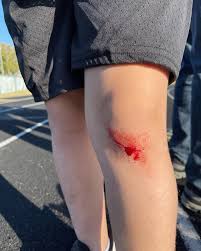
Most of the nurses’ calls are about nosebleeds, which we average about five a week at home. The primary culprit? Wrestling that breaks out in my living room every afternoon from 3 to 8 p.m. But nosebleeds are just the beginning. We’ve also had incidents involving mysterious goose eggs, rope collisions, bee stings, and the full spectrum of scraped knees. In short, all the classic “boy things,” as the medical textbooks no doubt describe them.

In a strange way, I’m almost grateful that these incidents happen at school. When he was younger, I used to worry about taking him out in public, fearing that someone might call Child Protective Services after seeing his collection of bruises. But then my babysitter, having witnessed his Thompson head in action, became my unofficial alibi. Now, with the school nurse meticulously documenting every bump and scrape, I have a veritable archive proving that my child is uniquely qualified to injure himself in ways previously thought impossible.

My son is a marvel of perpetual motion. He arrived seven weeks early—clearly in a hurry—and has been moving at top speed ever since. He is, quite literally, the kid who saved me. After losing our little girl and enduring a rough patch in our marriage, I found myself in a dark place. His arrival was a lifeline, pulling me back into the world. This isn’t something he needs to know right now, but it’s why I look at him with a mixture of joy, gratitude, and mild terror every time he launches himself off the couch.

He also seems to run at a constant boil. Teachers frequently report that he rolls up his pant legs in the dead of winter because he’s “too hot.” He eats like a linebacker preparing for the Super Bowl—constantly, enthusiastically, and with no discernible impact on his weight, which has remained unchanged since 2023. I suspect he may be part hummingbird.

He’s one of the reasons I run. I know he’s proud of me, and I want to keep it that way. I work out and eat right not just for myself, but to show him that this is what you do: you keep moving, you take care of yourself, and you try to outrun the flying soccer balls of life.

I can’t wait to see what the future holds for him. I suspect it will involve a lot of movement, a few more nosebleeds, and maybe a Nobel Prize in physics for discovering new ways to collide with inanimate objects. Until then, I’m just over the moon to be his mama—even if it means keeping the school nurse on speed dial.

Running to the Land

If you’re a Disney World devotee, you likely have a favorite ride-perhaps even a meticulously ranked list, one per park, cross-referenced by time of day and snack proximity. True Disney adults, of course, go further: we have favorite smells (hello, Rome burning!), napping nooks, people-watching perches, and secret fireworks vantage points. But let’s not get ahead of ourselves.

For reasons I can’t entirely explain, EPCOT has always tugged at me. Maybe it’s the park’s age-just a hair older than I am, thank you very much-or maybe it’s the sense of breathing room. Unlike the sometimes claustrophobic press of the Magic Kingdom, EPCOT’s pavilions and wide walkways feel positively expansive. With an average of over 32,800 visitors a day, that extra elbow room is not just a nicety, it’s a necessity.

After a few years of health challenges, my days of braving the big, fast, and wildly spinning rides are behind me (not that I ever queued up for Mission: SPACE with gusto). Add in the lingering side effects of a stroke, and the fun of thrill rides is replaced by the fun of not needing a nap in the First Aid station.

But one attraction has always been my EPCOT North Star: Living with the Land.

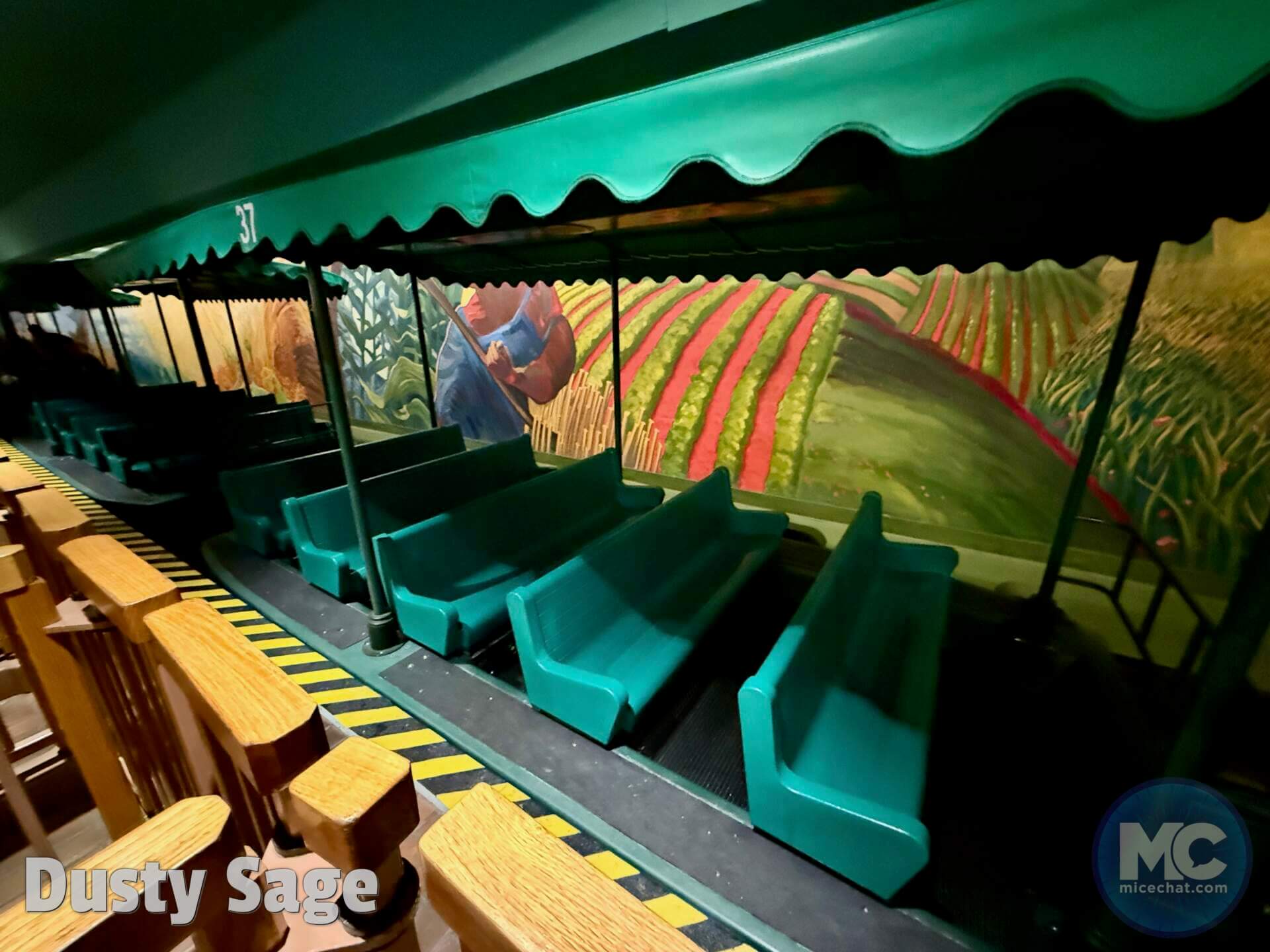
Nestled in The Land pavilion- an architectural marvel of glass and angles since 1982- Living with the Land is a gentle, 15-minute boat ride that glides you through both a classic Disney dark ride and working greenhouses. It’s a hybrid: part animatronic diorama, part science fair, part “please let me live here” greenhouse tour.

The ride begins with a float through recreated biomes: tropical forests, arid deserts, and sweeping prairies, all narrated with a soothing cadence that could lull even the most caffeinated park-goer into a state of Zen. There are 35 audio-animatronics, but the real stars are the living, growing crops and the innovative farming techniques on display.

You’ll see:

  • The Tropics Greenhouse, with rice, sugar cane, and bananas under a 60-foot dome.
  • The Aquacell, where tilapia and catfish swim in tanks, part of Disney’s sustainable aquaculture.
  • The Temperate Greenhouse, showcasing intercropping and specialized irrigation.
  • The Production Greenhouse, where tons of tomatoes, peppers, and lettuce are grown for use right in EPCOT’s restaurants-including the rotating Garden Grill and the quick-service favorite, Sunshine Seasons, both just steps away.
  • The Creative House, where crops dangle from trellises or float in air, suggesting a future where farming might take place on space stations or, at the very least, in your living room.

If you’re craving more, the Behind the Seeds walking tour offers a closer look at these agricultural marvels for a modest fee.

The Land pavilion itself is a microcosm of EPCOT’s mission: education, innovation, and a dash of whimsy. Alongside Living with the Land, you’ll find Soarin’ Around the World-a hang-gliding simulator that’s the pavilion’s most popular draw-and Awesome Planet, a 10-minute film narrated by Ty Burrell that’s equal parts documentary and pep talk for the planet.

And if you need sustenance, Sunshine Seasons is a food court that’s a cut above, with many ingredients harvested mere yards from your tray. For a more leisurely meal, the Garden Grill serves up family-style platters and character hugs, all while the restaurant gently rotates above the Living with the Land ride path.

Living with the Land is rarely more than a walk-on-unless you’ve arrived on a major holiday or during a torrential Florida downpour, in which case, welcome to the club. With a capacity of 1,600 riders per hour (16 boats, 40 guests each), the line moves quickly, and the ride’s nearly 15-minute duration offers a blissful respite from the Florida sun.

EPCOT welcomed nearly 12 million visitors in 2023, and yet, Living with the Land remains a tranquil corner of the park, a place where science, sustainability, and storytelling float along in perfect harmony.

If Disney ever dares to change it, you’ll find me at the entrance, picket sign in hand, ready to defend my favorite boat ride. Until then, you’ll find me in the greenhouse, dreaming of tomatoes and quietly plotting my next nap spot.

Running through the Grocery Gauntlet

If you ever want to test the limits of optimism, try doing a weekly grocery order for a family of five. Statistically, you’re not alone. According to the USDA, the average American family of five spends between $939 and $1,520 a month on groceries, with some families reporting totals as high as $1,600. That’s enough to make you wonder if everyone else is eating caviar for breakfast or just feeding their children gold-plated Pop-Tarts.

Now, I’ll admit, my own grocery budget is a bit of an outlier. I aim for under $500 a month, which, if you believe the experts, puts me somewhere between “frugal genius” and “possible magician.” Yet, despite my best efforts, my cupboards are always full, but never with anything that can be thrown in the air fryer and called dinner. In fact, my idea of a home-cooked meal is whatever can be heated at 400 degrees for 12 minutes or less.

Here’s the thing: even when I do muster the energy to cook, my kids treat my culinary efforts with the enthusiasm usually reserved for dental appointments. The return on investment for dinner prep is, frankly, abysmal. And to add insult to injury, we’re rarely home to eat anything anyway. The average U.S. household wastes 6.2 cups of food per week-enough to fill 360 takeout containers per year-and I’m fairly certain my fridge is personally responsible for half of that statistic. If there were a frequent flyer program for spoiled leftovers, I’d be platinum status.

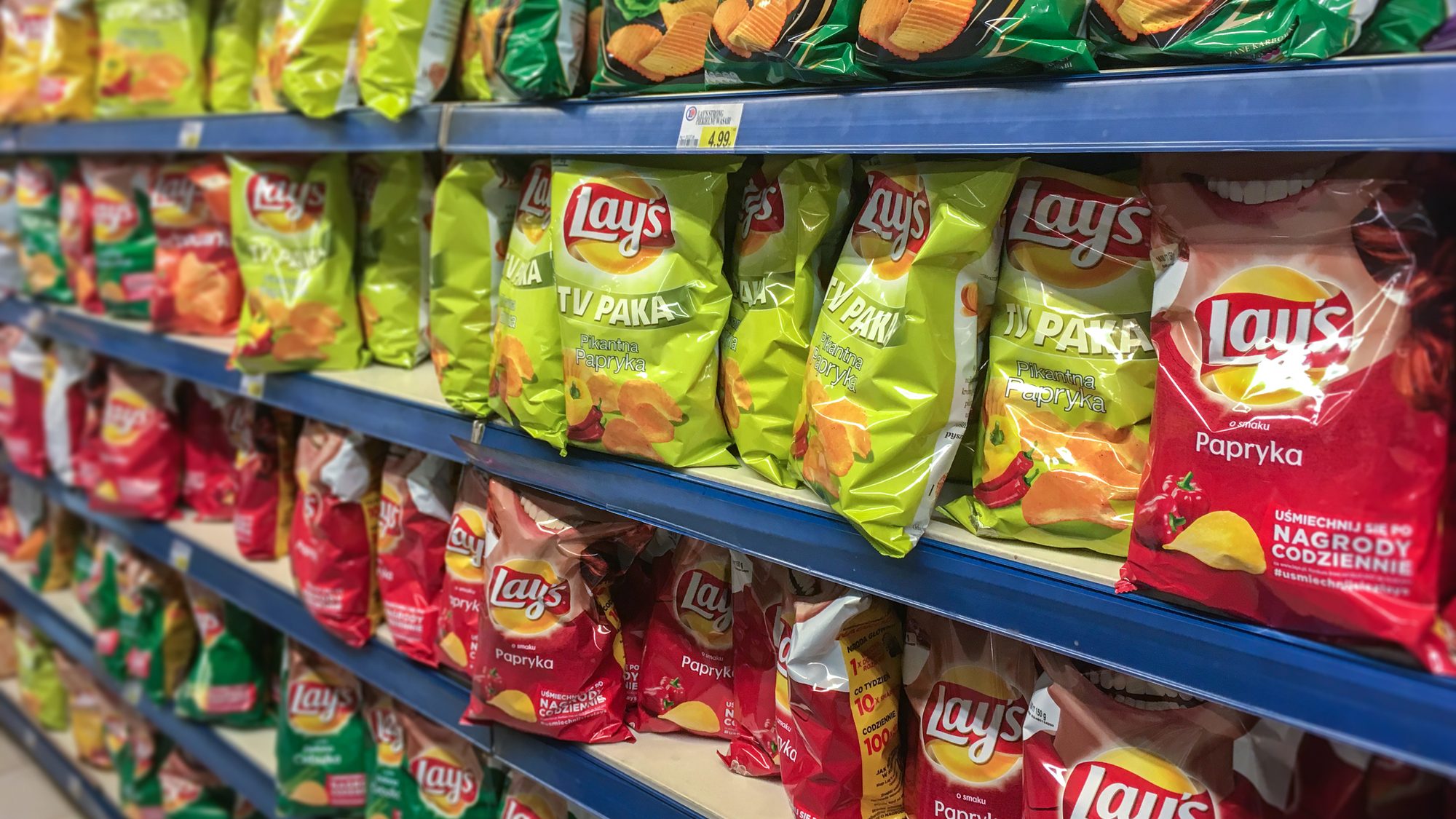
Despite all this, I find myself at the store every week, buying essentials like Pull-Ups, toilet paper, and enough snack-size chip bags to supply a small army. It’s never a one-and-done trip; it’s a perpetual scavenger hunt. And yes, I use coupons, rebate apps, and weekly flyers like a seasoned bargain hunter. I seldom buy name brands, but I don’t think our generic mac and cheese is the reason my children are staging a hunger strike.

Food waste is a national pastime: 30–40% of food in the U.S. ends up in the trash, costing households up to $1,500 a year. If saving money is the top motivator for reducing waste (as 82% of Americans claim), then why does my fridge look like a science experiment gone wrong by Thursday? Maybe it’s because, like 87% of households, we’re guilty of letting perfectly edible food sit until it’s past its prime. Or maybe it’s because we’re never home. Between baseball, wrestling, football, and the occasional “dinner” of granola bars and bologna sandwiches, our kitchen is more museum than restaurant.

I know my grocery bill will inevitably rise as my boys get older. They’re wrestlers, which means half the year is spent cutting weight, and the other half is spent eating like they’re preparing for hibernation. Statistically, teenage boys can consume up to 3,000 calories a day, which means my $500 budget may soon be as outdated as my expired yogurt.

We don’t have pets, so at least I’m not feeding a small zoo. Eating out is a rare treat- maybe two or three times a month, and even then, it’s usually pizza. According to the Bureau of Labor Statistics, the average American household spends nearly $3,000 a year on eating out, but I can assure you, we are not average in this department.

So, what’s the secret? Am I under-spending, or just under-cooking? Should I be eating better, or am I simply not spending enough to keep up with the Joneses and their well-stocked air fryers? All I know is, my waistline doesn’t seem to agree with my modest grocery bill, and my fridge remains a monument to good intentions and wasted leftovers.

If there’s a Nobel Prize for creative couponing and food waste, I’d like to be considered. Until then, I’ll keep shopping, keep saving, and keep wondering why there’s never anything for dinner.

Statistics cited from the USDA, Bureau of Labor Statistics, and MITRE-Gallup food waste survey.

Running towards Change

Let’s talk about crossroads. Not the Robert Johnson, “sold my soul to the devil and now I can play a mean blues guitar” kind, but the more mundane, “should I take the left path, the right path, or just sit down and have a sandwich?” variety. Life, it turns out, is littered with these intersections- some clearly marked, others disguised as perfectly ordinary Tuesdays. Sometimes you don’t even notice you’re at one until years later, when you realize that deciding to sit next to that stranger in Chemistry 101 led to marriage, children, and a lifelong inability to remember where you left your car keys.

Right now, I am standing at one of those crossroads, and not the metaphorical kind you can ignore until it disappears. Last Friday, I had heart surgery. (This is the sort of sentence that, if you’re lucky, you only have to write once in your life.) I’m in recovery, which mostly involves lying very still, contemplating the ceiling, and wondering if it’s possible to develop six-pack abs by sheer force of will. Spoiler: it is not.

The good news is, I’m on my way back to the body I knew before atrial fibrillation and a stroke decided to make themselves at home. The less-good news: I now have the stamina of a slightly asthmatic sloth and a to-do list that includes things like “walk to mailbox without needing a nap.” Progress, I’ve learned, is not a sprint. It’s more like a meandering stroll through a museum where half the exhibits are closed for renovation. And that’s okay. Sometimes watching things evolve slowly is its own kind of beautiful.

I’ve always been an athlete, or at least someone who owned a suspicious number of moisture-wicking shirts. My childhood was a montage of sports practices, muddy cleats, and the faint aroma of liniment. I majored in Sports Management, then doubled down with a Master’s in Sports Administration, because apparently I wanted to be able to administrate my own sports. I got married in a suite at a Cincinnati Reds game- a fact that is both romantic and, in retrospect, a logistical nightmare for anyone who dislikes stadium nachos. I’ve run four marathons, seven half marathons, two 10ks, and more 5ks than I can count. I coach volleyball. My husband coaches wrestling. My kids play sports. If you cut us, we bleed Gatorade.

So here I am, at a crossroads. One path leads to the couch, where I could spend the rest of my days as a professional spectator, perfecting the art of yelling at referees from the comfort of my living room. The other path is, frankly, a lot more work: getting back into shape after four months of enforced inactivity. (Technically, it’s been four years since I felt “normal,” but who’s counting? Oh, right. Me.) First, there was the stroke, which put a hard stop to regular exercise. Before that, I was pregnant, and my body decided to start practicing contractions at week eleven, which is a bit like showing up at the airport six months before your flight.

Anyway, I’m choosing the road less traveled. Not because I’m particularly brave, but because, as they say, “rent is due every day,” and I’ve been living rent-free in my own body for a bit too long. I want to feel like I’m in charge again, even if it means taking the scenic route, with plenty of rest stops along the way.

After all, you never really know what’s waiting around the next bend- maybe it’s a fresh challenge, maybe it’s a chance to surprise yourself, or maybe it’s just the satisfaction of putting one foot in front of the other again. Either way, onward.

Running from Danger

Let’s be honest: catastrophe is always lurking just outside the frame, like a raccoon in your garbage or a toddler with a marker. You can have your emergency fund, your canned beans, and enough insurance paperwork to wallpaper the Taj Mahal, but the universe remains stubbornly unscripted. If you think you can predict the future, I invite you to my house on banana-buying day.

Would I even want to know the future? I’m not sure my ego could survive it. It’s hard enough living with the knowledge that, in 2019, I bought a bread machine. If I knew everything ahead of time, I’d probably just curl up in a ball of embarrassment and never leave the linen closet. Honestly, most of my “big” decisions these days involve the produce aisle and the inscrutable dietary whims of small children. Bananas, for example: buy two, and the kids eat them in a single, frenzied sitting. Buy five, and they sit untouched, quietly evolving into fruit flies and existential regret.

Then there’s the matter of who gets to turn off the TV. In my house, this is not so much a simple request as it is a high-stakes summit meeting, complete with negotiations, shifting alliances, and the occasional threat of sanctions. Honestly, the Geneva Conventions could learn a thing or two from the way a three-year-old leverages bedtime against screen time. Choose the wrong delegate for this task, and you’re risking a meltdown of historic proportions—possibly involving tears, definitely involving accusations of gross injustice, and always requiring a follow-up peace treaty (usually brokered with applesauce or a cheese stick).

It’s a funny thing about decisions: what seems trivial to you can be life-altering to someone else—usually someone under four feet tall and heavily invested in Paw Patrol. As a parent, you’re not just steering your own ship; you’re captaining the whole flotilla, snack requests and all. The pressure is immense, but, as they say, pressure makes diamonds. (Or possibly just very tired people who dream of diamonds.)

By the time you’ve weathered three kids and a quarter-century of negotiations over bananas and TV remotes, you’re not so much a diamond as you are a well-worn pebble—polished, yes, but mostly from being rolled around by the tides of daily life. Maybe that’s why retirement is so sweet: it’s the first time in decades you get to decide, with no consequences, how many bananas to buy. And if you get it wrong? Well, there’s always banana bread.

Running from the Dentist

I hate the dentist. I mean, truly, deeply, passionately hate the dentist. If there were an Olympic event for avoiding dental appointments, I’d be a gold medalist, standing proudly atop the podium with a plaque commemorating my years of dodging fluoride treatments and awkward small talk about flossing. It’s not just the discomfort of the experience—it’s the sheer absurdity of willingly choosing to spend your days poking around in other people’s mouths. What kind of person wakes up one morning and thinks, You know what? I want to peer into cavities for a living! Surely, there’s some sort of psychological study waiting to be done on this.

My last visit to the dentist was right before my stroke—a momentous occasion that now feels like a grim punctuation mark in my personal timeline. Afterward, life became a whirlwind of chaos: a cross-country move, a new job, the exhausting process of finding new doctors. Dental care somehow fell to the bottom of the priority list, buried beneath layers of more pressing concerns. Fast forward three years, and here I am—mouth so numb after finally biting the bullet (pun intended) and going back that I could gnaw on barbed wire without flinching. It’s both horrifying and oddly liberating.

Teeth are terrifying little things when you think about them. They’re like tiny landmines hiding in your gums—silent, unassuming, and ready to explode into pain at any moment. Things break without warning. You wake up one day feeling fine and by lunchtime you’re Googling “sharp pain in molar” while spiraling into existential dread. And then there’s the dentist themselves—a mysterious figure armed with drills and mirrors who speaks in cryptic terms about “pockets” and “enamel erosion.” You nod along as though you understand, but really you’re thinking, Are they just making this up? Should I trust them?

Let’s not forget the sheer indignity of dental procedures. They numb you up until your face feels like it’s been replaced with a slab of concrete, or worse, they knock you out entirely. Laughing gas? Don’t get me started. It’s like being invited to a party where you’re the only guest who doesn’t know what’s happening. You leave feeling compromised—unable to eat properly or form coherent sentences—and wondering if this is what defeat feels like.

Doctors aren’t much better, though they do have slightly less terrifying tools at their disposal (no drills, thank goodness). But visiting them is its own kind of ordeal—wandering through sprawling facilities that feel more like labyrinths than places of healing. You sit there in sterile rooms while they poke and prod, never quite sure what they’re looking for or whether your headache is just a headache or an ominous sign that something catastrophic is brewing. And let’s be honest: Googling symptoms is practically an act of self-sabotage. One minute you’re searching “sore throat,” and the next you’re convinced you have six months to live.

And then there are the accessories—the rubber gloves snapping ominously against wrists, the surgical masks muffling voices into eerie half-murmurs, and those bizarre magnifying glasses that make doctors look like they’ve wandered off the set of a sci-fi film. It’s all so unsettlingly clinical that you can’t help but wonder if they’re secretly auditioning for roles as mad scientists.

In short: dentists are scary, doctors are slightly less scary but still unnerving, and teeth are downright treacherous little monsters lurking in your mouth. If I could opt out of all of it entirely—teeth included—I’d seriously consider it.