Running from Danger

Let’s be honest: catastrophe is always lurking just outside the frame, like a raccoon in your garbage or a toddler with a marker. You can have your emergency fund, your canned beans, and enough insurance paperwork to wallpaper the Taj Mahal, but the universe remains stubbornly unscripted. If you think you can predict the future, I invite you to my house on banana-buying day.

Would I even want to know the future? I’m not sure my ego could survive it. It’s hard enough living with the knowledge that, in 2019, I bought a bread machine. If I knew everything ahead of time, I’d probably just curl up in a ball of embarrassment and never leave the linen closet. Honestly, most of my “big” decisions these days involve the produce aisle and the inscrutable dietary whims of small children. Bananas, for example: buy two, and the kids eat them in a single, frenzied sitting. Buy five, and they sit untouched, quietly evolving into fruit flies and existential regret.

Then there’s the matter of who gets to turn off the TV. In my house, this is not so much a simple request as it is a high-stakes summit meeting, complete with negotiations, shifting alliances, and the occasional threat of sanctions. Honestly, the Geneva Conventions could learn a thing or two from the way a three-year-old leverages bedtime against screen time. Choose the wrong delegate for this task, and you’re risking a meltdown of historic proportions—possibly involving tears, definitely involving accusations of gross injustice, and always requiring a follow-up peace treaty (usually brokered with applesauce or a cheese stick).

It’s a funny thing about decisions: what seems trivial to you can be life-altering to someone else—usually someone under four feet tall and heavily invested in Paw Patrol. As a parent, you’re not just steering your own ship; you’re captaining the whole flotilla, snack requests and all. The pressure is immense, but, as they say, pressure makes diamonds. (Or possibly just very tired people who dream of diamonds.)

By the time you’ve weathered three kids and a quarter-century of negotiations over bananas and TV remotes, you’re not so much a diamond as you are a well-worn pebble—polished, yes, but mostly from being rolled around by the tides of daily life. Maybe that’s why retirement is so sweet: it’s the first time in decades you get to decide, with no consequences, how many bananas to buy. And if you get it wrong? Well, there’s always banana bread.

Running from Holidays

It’s a peculiar thing, really—this unwritten law that mothers must moonlight as the chief engineers of all holiday enchantment. If there’s a magical event on the calendar, odds are I’m the one quietly orchestrating it from behind the curtain, like some seasonal Imagineer with a glue gun and a to-do list. Santa Claus? That’s me. Easter Bunny? Also me. Leprechaun? For reasons as mysterious as the origins of Figment, yes, me again. Meanwhile, my husband approaches Christmas morning with the same wide-eyed astonishment as a tourist discovering a second entrance to EPCOT—utterly delighted, blissfully unaware, and, crucially, not the one who wrapped the monorail set.

Last Christmas, my oldest, in a moment of honesty only a child or a particularly blunt park guest can muster, asked if perhaps I’d been a “bad girl” since Santa had forgotten to bring me anything. I shot my husband a glare so frigid it could’ve closed Blizzard Beach for the season, then shrugged and moved on. Sometimes, you have to pick your battles, especially when your only weapons are tinsel and a patience level that’s dropping faster than Rise of the Resistance boarding groups.

Now, if you think holiday magic is just a matter of popping into Target and grabbing whatever’s on the endcap, let me assure you: this is a covert operation of the highest order. My children are drawn to hidden presents like guests to free Wi-Fi, and will sniff out even the best-laid plans with the tenacity of a Disney blogger hunting for soft openings. Thus, I’ve developed hiding spots so ingenious that I occasionally lose track of them myself, leading to the annual spring tradition of “Why is there a Hatchimals egg in the linen closet?”

And let’s talk about the gifts themselves. There is a very specific subset of toys—tiny plastic things, anything that shrieks, and games requiring adult participation—that I avoid with the same fervor I reserve for rope-dropping a park on a holiday weekend. There’s only so much forced merriment one can endure before considering a strategic retreat to the garage with a mug of something “festive.”

So, here’s to the mothers: the unsung Imagineers of the festive season, the ones who keep the magic alive, year after relentless year. And let us not forget our shared, silent loathing for that infernal Elf on the Shelf, who, much like a malfunctioning animatronic, always seems to cause more trouble than he’s worth.

Happy holidays, and may your patience last longer than the line for Peter Pan’s Flight.

Running from Decisions

Decision fatigue, I’ve discovered, is not just real—it’s a kind of existential jet lag. There are days when I feel as though my brain has been mugged by a gang of particularly indecisive squirrels. These are the days when I am required to make an endless series of choices, ranging from the mildly irritating (“Should I answer this email now or in three years?”) to the wildly consequential (“Should I quit my job and move to a remote island where the only decision is coconut or mango?”).

I have, in fact, left jobs over this. Some people thrive on decision-making, but I am not one of them. What’s good for the goose, as they say, is often just a migraine for the gander. There is something peculiarly exhausting about having the fate of things—projects, people, snack selections—resting in your hands. It’s not just overwhelming; it’s like being handed the controls to a nuclear reactor and told, “Don’t touch anything, but also, everything depends on you.”

As a mother, I am required to make decisions with the frequency and urgency of an air-traffic controller, except my “planes” are small, loud, and sticky. Making choices for myself is one thing, but making them for others is a whole different kettle of fish fingers. People, it turns out, care deeply about the decisions that affect them, and if you get it wrong, you will hear about it. Loudly. Possibly with interpretive dance.

So, in an act of self-preservation, I have whittled my daily quota of decisions down to the bare minimum. This has, admittedly, put a slight dent in my previously go-getterish persona. I’ve taken a job that allows me to spend more time with my children and less time making decisions, and, through some cosmic clerical error, I’m actually paid more for it. I am, it must be said, bored at times—bored in the way that only someone who has spent an hour comparing brands of dishwasher tablets can be bored. But I love my work, my workplace, and the people I work with.

Perhaps, when my children are older and no longer require my guidance on matters such as sock selection and the ethics of eating the last cookie, I’ll wade back into the decision-making fray. For now, I am content—grateful, even. My biggest daily dilemma is what to serve for dinner, and honestly, that’s quite enough excitement for me.

Running from the Dentist

I hate the dentist. I mean, truly, deeply, passionately hate the dentist. If there were an Olympic event for avoiding dental appointments, I’d be a gold medalist, standing proudly atop the podium with a plaque commemorating my years of dodging fluoride treatments and awkward small talk about flossing. It’s not just the discomfort of the experience—it’s the sheer absurdity of willingly choosing to spend your days poking around in other people’s mouths. What kind of person wakes up one morning and thinks, You know what? I want to peer into cavities for a living! Surely, there’s some sort of psychological study waiting to be done on this.

My last visit to the dentist was right before my stroke—a momentous occasion that now feels like a grim punctuation mark in my personal timeline. Afterward, life became a whirlwind of chaos: a cross-country move, a new job, the exhausting process of finding new doctors. Dental care somehow fell to the bottom of the priority list, buried beneath layers of more pressing concerns. Fast forward three years, and here I am—mouth so numb after finally biting the bullet (pun intended) and going back that I could gnaw on barbed wire without flinching. It’s both horrifying and oddly liberating.

Teeth are terrifying little things when you think about them. They’re like tiny landmines hiding in your gums—silent, unassuming, and ready to explode into pain at any moment. Things break without warning. You wake up one day feeling fine and by lunchtime you’re Googling “sharp pain in molar” while spiraling into existential dread. And then there’s the dentist themselves—a mysterious figure armed with drills and mirrors who speaks in cryptic terms about “pockets” and “enamel erosion.” You nod along as though you understand, but really you’re thinking, Are they just making this up? Should I trust them?

Let’s not forget the sheer indignity of dental procedures. They numb you up until your face feels like it’s been replaced with a slab of concrete, or worse, they knock you out entirely. Laughing gas? Don’t get me started. It’s like being invited to a party where you’re the only guest who doesn’t know what’s happening. You leave feeling compromised—unable to eat properly or form coherent sentences—and wondering if this is what defeat feels like.

Doctors aren’t much better, though they do have slightly less terrifying tools at their disposal (no drills, thank goodness). But visiting them is its own kind of ordeal—wandering through sprawling facilities that feel more like labyrinths than places of healing. You sit there in sterile rooms while they poke and prod, never quite sure what they’re looking for or whether your headache is just a headache or an ominous sign that something catastrophic is brewing. And let’s be honest: Googling symptoms is practically an act of self-sabotage. One minute you’re searching “sore throat,” and the next you’re convinced you have six months to live.

And then there are the accessories—the rubber gloves snapping ominously against wrists, the surgical masks muffling voices into eerie half-murmurs, and those bizarre magnifying glasses that make doctors look like they’ve wandered off the set of a sci-fi film. It’s all so unsettlingly clinical that you can’t help but wonder if they’re secretly auditioning for roles as mad scientists.

In short: dentists are scary, doctors are slightly less scary but still unnerving, and teeth are downright treacherous little monsters lurking in your mouth. If I could opt out of all of it entirely—teeth included—I’d seriously consider it.

Running from my Identity

To know where you are going, you first have to know where you are. This is a truth so obvious it feels like something Confucius might have muttered after a particularly satisfying lunch, but it’s also a truth I’ve been grappling with lately. Somehow, I’ve managed to stumble from 2014 to 2025 with all the grace and clarity of someone trying to find their glasses while wearing them on their head. The years have passed in a blur, and the culprit, I suspect, is motherhood—a phenomenon that seems to simultaneously rob you of your sanity while gifting you moments so absurdly wonderful they make you question whether sanity was ever necessary in the first place.

Let me be clear: I love my kids. I love them so much that if licking them were socially acceptable, I’d be first in line. They are hilarious little creatures, full of quirks and chaos. But—and here’s the part where I feel compelled to duck for cover—I wouldn’t do it again if given the chance. Not because they aren’t delightful (they are), but because motherhood is less a journey and more an endurance test disguised as a Hallmark card. Since their arrival, sleep has become a distant memory, like an old friend who moved away and stopped returning your calls. Eleven years without sleep—imagine that. It’s not just inconvenient; it’s practically a science experiment.

The funny thing is that while my life seemed to unravel in the wake of parenthood, my children somehow stitched me back together in ways I didn’t expect. After my stroke—a terrifying event that left me questioning everything about myself—they reminded me of who I was, or at least who I could still be. Depression has since taken its toll on my fragile brain, leaving me feeling like a poorly assembled IKEA shelf: functional but precariously balanced.

And so here I am, pondering reinvention—a word that sounds far more glamorous than it feels. Reinventing oneself is tricky business when you’re not entirely sure where you stand to begin with. How can you chart a course forward if you don’t even know your starting point? It’s like trying to navigate with a map of Narnia when what you really need is Google Maps.

The truth is, I don’t always like myself. In fact, most days I feel like a terrible person—a sentiment that’s both exhausting and oddly comforting in its consistency. Misunderstood? Certainly. But also deeply flawed in ways that make me wonder if reinvention is even possible or if I’m simply destined to muddle along as I am.

Still, there’s something oddly liberating about acknowledging all this messiness—the sleepless nights, the existential crises, the moments of joy so profound they make your heart ache. Life isn’t tidy; it’s a sprawling, chaotic narrative full of plot twists and questionable character development. And maybe that’s okay. Maybe knowing where you are—messy and imperfect as it may be—is enough to start figuring out where you’re going next.

Running from Dinner

Being a mom is, to put it mildly, like being the CEO of a company where the employees are perpetually confused, demanding, and prone to losing their shoes. It’s not that being a dad isn’t hard—dads have their own set of challenges—but moms are expected to know everything. We’re the keepers of the appointments, the grocery lists, and the precise location of every sock in the house. We’re also tasked with feeding everyone dinner every single day (as if hunger weren’t enough of a problem without adding meal planning to it) and ensuring there’s always underwear for the foreseeable future. Honestly, it’s a wonder we don’t just throw in the towel and declare cereal as an acceptable dinner option every night. Thank goodness my kids like cereal.

And yet, my responsibilities don’t stop with the kids. Oh no, I also worry about my husband’s stuff. Did his co-workers like him today? Does his boss think he’s doing a good job? Did he remember his coffee mug this morning? These are not things I need to worry about, but I do anyway because apparently my brain has decided it’s a good idea to run on overdrive at all times. The result? Exhaustion. Most days I’m so drained I can fall asleep before my kids do—though, admittedly, the stroke hasn’t helped matters in that department. By 8 p.m., I’m done for, and I’ve stopped pretending otherwise.

As if all that weren’t enough, volleyball has added a new layer of mental gymnastics to my life. Coaching requires brainpower—lots of it—and that makes my already pronounced exhaustion even more pronounced. It’s as though life decided to hand me a wrench and then gleefully watch me try to juggle it along with everything else.

And can we talk about dinner for a moment? Who decided moms need to be responsible for answering all food-related questions? “What’s for dinner?” “Do we have ketchup?” “Why don’t we have ketchup?” How am I supposed to remember if there’s another bottle in the pantry when you inhaled the last one like it was oxygen? The whole thing is absurd.

This is why running is my ultimate sanctuary. It allows me to escape the chaotic landscape of my mind—a realm cluttered with endless lists, nagging reminders, and mental post-it notes that seem to multiply like rabbits on caffeine. For a blissful stretch of time, I get to silence the cacophony of thoughts and simply be. It’s a liberating experience that reminds me I still possess a semblance of sanity.

And when I return home, something magical happens. The tasks that once loomed like Mount Everest now seem like mere speed bumps. Running is hard, yes, but it’s a reminder that if I can conquer the road, I can conquer anything life throws at me. Plus, it’s the ultimate multitasking tool: I can listen to podcasts, push kids in strollers, run with the dog, and rack up my steps all at once. It’s efficiency at its finest—a symphony of productivity and peace.

So here’s my conclusion: running is not just a survival tool for moms; it’s a lifeline. It’s not just exercise; it’s therapy, a sanity-saver, and a reminder that we’re capable of more than we ever thought possible. Vote for me in 2028, and I’ll make sure cereal dinners and mandatory running become the pillars of a new national wellness policy. Together, we can create a world where moms can thrive, one run at a time!

Running from Volleyball

In the summer of 2020, during what I like to call the “Tiger King Era”—a time when the world collectively decided that binge-watching eccentric zoo owners was the best way to cope with a pandemic—I made a monumental decision. I left my volleyball coaching job at Fort Hays State University. To be clear, I hated every thought of leaving, but Covid had done something strange to our family’s perspective. It was as if the virus had snuck into our comfort zone and whispered, “Time to shake things up.” And so, we did.

Since then, life has been a bit like a carnival ride operated by someone with a questionable grasp of mechanics. Baby? Check. Stroke? Check. Cross-country move? Oh, absolutely. Any one of these events could have been enough to send us spiraling, but we managed to survive all of them—barely—and emerged stronger and more resilient than ever. Problems that once seemed enormous were suddenly reduced to mere inconveniences. It’s amazing how life-altering chaos can recalibrate your sense of scale.

Fast forward to Ohio in the spring of 2023, where I found myself presented with an opportunity to coach volleyball at my high school alma mater. Nostalgia aside, I knew I wasn’t ready—not physically, not mentally, not even logistically. My job demanded too much of me, and my family needed even more. So I shelved the idea and carried on.

Then came 2024, and with it another twist: a co-worker asked me if I’d consider coaching a boys’ volleyball team in spring 2025. I hesitated but said I’d think about it. My new job required far less brainpower (a blessing), and for the first time in years, the timing felt right to get back on the court.

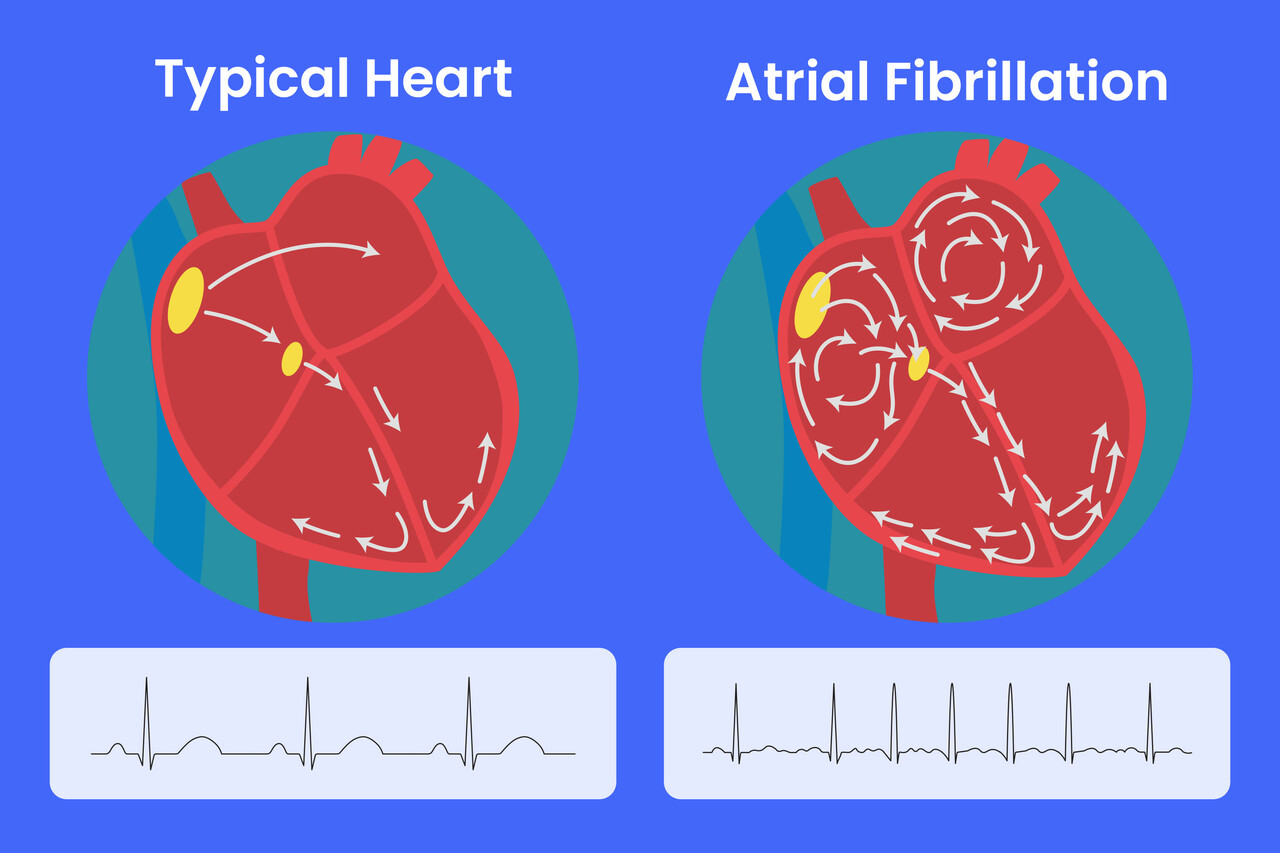
But fate had other plans—or perhaps it just enjoys being dramatic. On December 28th, my mom woke up with a shattered scapula for no apparent reason (a condition I’ve dubbed “spontaneous broken wing syndrome”). A week later, my dad decided to test his snow blower’s blade sharpness with his fingertip—a decision that ended predictably poorly. As if that weren’t enough, my husband Chas tore his calf muscle while skipping in a preschool gym class (yes, skipping). By January 19th, my own heart joined the rebellion, landing me in the hospital for three days with AFib/Atrial Flutter. At this point, quitting seemed like the most logical option—but somehow, I couldn’t bring myself to say no.

And thank goodness for that stubborn streak. Once I started coaching again, it was as if my brain had rediscovered an old friend it didn’t know it missed. The rhythm of practices, the camaraderie of the team—it all felt wonderfully familiar. Boys are easier to coach than girls (as anyone who’s read my other posts will know), but they require persistence—a trait I’ve learned is key both on and off the court. We’re not great yet; we’re young and learning. But every day brings progress that makes the effort worthwhile.

The moral of this chaotic tale? Sometimes you have to dive into something you’re convinced you can’t do—post-stroke or otherwise—and prove yourself wrong. It’s terrifying but deeply satisfying to discover what you’re still capable of achieving. And who knows? Maybe persistence really is the secret ingredient for surviving life’s carnival ride—even when it feels like it’s spinning out of control.

Running from the Toddler

Ah, motherhood. That grand, mysterious adventure that begins with nine months of discomfort, followed by a brief stint as a conveyor belt for tiny humans and culminates in the realization that your life is now entirely dictated by someone who can’t tie their own shoes. The remarkable thing about this whole process is how quickly we forget the pain—the swollen ankles, the sleepless nights, the moment you realized your bladder had been demoted to a trampoline. It’s as if nature has thoughtfully provided us with a mental delete button. But then, just when you think you’ve moved on, along comes the age of three to remind you that perhaps you haven’t forgotten quite enough.

Now, people often talk about the “terrible twos,” which is misleading. Two is merely an amuse-bouche of chaos compared to the full buffet of madness that awaits at three. Three is when your cherubic toddler transforms into a pint-sized dictator with an alarming grasp of language and an uncanny ability to manipulate adults. They don’t just demand hot dogs; they demand them with conviction. They don’t just want you to play; they want you to be exactly the Transformer they’ve assigned while they prance about as Slinky Dog. And heaven help you if you don’t queue up their favorite show for the 87th time—an oversight that will be met with outrage worthy of a United Nations summit.

I can say with confidence that I despise three-year-olds—my own included. It’s not personal; it’s just that they’ve perfected the art of being simultaneously exhausting and infuriating. They refuse naps, despite being visibly more tired than a marathon runner at mile 26. They develop peculiar preferences for things like milk cups, which they express in cryptic proclamations like, “That’s more like it!”—a phrase so bizarre it makes you wonder if you’re raising an eccentric Victorian aristocrat.

But let me assure you, it doesn’t stop at three. Oh no, seven and nine have their own unique horrors. Seven-year-olds seem to think sibling rivalry is an Olympic sport, and nine-year-olds have mastered the fine art of being insufferably smug while still needing help with basic hygiene. If I had a dollar for every time I’ve shouted “Keep your hands to yourself!” I’d be lounging on a private island right now, sipping cocktails and marveling at my fortune.

This is why I run—not metaphorically or figuratively—but literally. Running is my escape from the madness, my chance to pound out my frustrations on the pavement while fantasizing about a world where children come with mute buttons. Lexapro helps, but even modern pharmaceuticals have their limits when faced with preschoolers who think they’re ready to govern small nations.

Still, hope glimmers faintly on the horizon: preschool starts in the fall. Surely someone else can deal with his boundless energy and insatiable curiosity for a few hours each day. Until then, I’ll be here—dodging demands for hot dogs and Transformer reenactments—counting down the days until sanity returns (or at least takes a brief holiday).

Running from the Schedule

Anyone who has ever taken up running knows that a training plan has the uncanny ability to commandeer your calendar with the precision of a military operation. Suddenly, your weeks are peppered with 40-minute cross-training sessions, midweek 3-milers, and those dreaded Sunday long runs. It’s a relentless march of miles and minutes that feels both necessary and slightly masochistic. The irony, of course, is that while sticking to the schedule is meant to prepare you for race day, it can also leave you feeling like you’ve aged a decade in the process.

Take, for example, one particularly ill-fated 14-mile long run I endured. It was one of those runs where everything that could go wrong did—legs like lead, lungs on strike, and a general sense that the universe was conspiring against me. For three weeks afterward, I agonized over it, convinced that my marathon (still months away) was doomed because of this single bad outing. Spoiler alert: it wasn’t. But try telling that to my overthinking brain at the time.

Of course, running isn’t the only thing vying for space on my calendar these days. No, the real chaos begins when you add in my children’s baseball practices (two per kid per week), their games (sometimes three per kid per week), my volleyball coaching schedule (up to four games a week plus practices), dentist appointments, and—oh yes—a looming heart surgery. Somewhere in this maelstrom of activity is a vague hope of eating dinner, doing laundry, and remembering which parent needs the van for chauffeuring duties. It’s less “organized chaos” and more “chaos with occasional bursts of organization.”

Preparation, I’ve learned, is key to surviving this whirlwind. Theoretically, anyway. In practice, I’m hit or miss. Some nights I manage to do things my future self will thank me for—like setting up the coffee maker so all it needs is a flick of the switch in the morning. Other nights I collapse into bed with the vague hope that tomorrow will sort itself out (it rarely does).

With my April 25th surgery looming ever closer, I’m trying to lean into this whole “being prepared” thing more than usual. My post-surgery self will undoubtedly appreciate it—and so will my husband, mom, and aunt, who are poised to pick up the slack if I don’t get my act together. They’re lovely people but probably not thrilled at the prospect of navigating the fallout from my lack of planning.

In the end, though, life—like running—isn’t about perfection. It’s about putting one foot in front of the other and hoping you don’t trip over your own shoelaces along the way. And if all else fails? There’s always coffee waiting for me in the morning… assuming I remembered to set it up.

Running From the Beat of My Own Heart

On an otherwise unremarkable Sunday in January, my heart decided it was auditioning for a drum solo in a heavy metal band. It was beating so erratically that I half-expected it to start flashing neon lights. Thankfully, I had my trusty Apple Watch, which promptly informed me that I was in atrial fibrillation—or AFib, as the cool kids call it. Never having experienced this particular thrill ride before, I did what any self-respecting adult would do: I called my mom. Naturally, she dispatched my dad, who happens to be a physician, to come and assess the situation.

Meanwhile, my husband was an hour away at a wrestling meet with our son, leaving me at home with a seven-year-old and a three-year-old. The idea of dragging them to the ER was laughable—imagine trying to explain to triage why one child is climbing the IV stand while the other is attempting to commandeer the defibrillator.

Dad arrived but couldn’t make heads or tails of my heart’s newfound jazz improvisation. He stuck around for a bit to make sure I didn’t keel over, and since the chaotic rhythm eventually subsided, I decided to spend the rest of the afternoon lying low on the couch. It was not exactly how I’d envisioned my weekend.

Hours later, when my husband finally returned home, my heart decided it wasn’t done with its antics. This time, it felt like it was attempting to launch me into orbit with its out-of-sync throbbing. Dad came back for Round Two of “What Is My Daughter’s Heart Doing Now?” and after 20 minutes of watching my pulse behave like a malfunctioning metronome, he declared it was time for the ER.

The car ride was a blur of breathlessness and sheer terror. I’d read enough about AFib to know it wasn’t something you wanted to mess around with—another stroke and cardiac arrest weren’t exactly on my bucket list. By the time we arrived at the hospital (mercifully empty), they whisked me straight into triage for an EKG. My heart rate was doing its best impression of a roller coaster: up, down, loop-de-loop.

In no time, I found myself hooked up to an array of machines that beeped ominously, as though auditioning for a sci-fi movie soundtrack. My heart rate settled at a steady 135 beats per minute but occasionally dropped into the 70s just to keep the nurses on their toes. Eventually, they dosed me with medication that calmed things down enough for me to be admitted.

And let me tell you, there’s no lonelier place on Earth than a hospital room at night. My husband went home to stay with the kids—it was Martin Luther King Jr. Day the next morning, so at least there wasn’t school to worry about—but that left me alone with nothing but my thoughts and an endless parade of nurses interrupting any attempt at sleep.

After three days of tests and sleepless nights, the verdict was in: my AFib wasn’t caused by anything as fixable as diet or exercise but rather by an electrical glitch in my heart. The solution? A cardiac ablation scheduled for the end of the month—because nothing says “fun” like heart surgery.

In the meantime, I’ve been navigating life on new medication while trying not to panic every time my heart skips a beat. Running—my beloved escape—has taken a backseat to teaching my kids how to dial 911 and writing a will (just in case). It’s a strange limbo: part fear of what’s next and part determination to savor every moment until then.

Perhaps this is where all those miles I’ve run have led me—not away from problems but straight into their arms. It feels unfair sometimes, like my body has betrayed me after years of taking care of it. But until someone invents an alternative to living, I’ll keep showing up for this messy, unpredictable life.