Running from Compression Socks

Let’s begin, as Bill Bryson might, with a confession: I have never been particularly good at moderation. This is a story about legs, socks, and the peculiar lengths to which one will go to avoid being ordinary—told with the sort of self-effacing candor that would make even Len Testa pause mid-spreadsheet.

In college, I played volleyball for four years. Not the “I’ll just jog around and maybe spike a ball” kind of volleyball, but the “I would like my lower legs to feel as if they might detonate at any moment” variety. My post-game shuffle was less “athlete’s swagger” and more “recently escaped from a bear trap.” Eventually, a kindly doctor at the Cleveland Clinic diagnosed me with Compartment Syndrome, which, for the uninitiated, is a condition where the pressure in your leg compartments (there are four, in case you’re keeping score) is supposed to be a modest 1-10. Mine, ever the overachiever, clocked in at a robust 32.

Surgery ensued. For a while, my legs behaved, but my final year was spent rationing my steps like a Victorian miser with his last candle—saving every ounce of leg function for game time. After graduation, my legs, apparently satisfied with their dramatic performance, retired from pain altogether. I have not heard a peep from them since.

Fast forward three years, circa 2008. I decided to start running. This was a calculated risk, since I was fairly certain my legs would recall their old grievances and revolt. But as it turns out, it wasn’t the running that bothered them—it was the jumping. Also, possibly the squatting of 225 pounds and leg pressing 550, but who’s counting? (Me. I was counting. Repeatedly. Because, as you will see, I have a pathological need to prove my toughness.)

Since then, I’ve collected an assortment of race bibs: countless 5Ks, two 10Ks, seven half marathons, and four full marathons. My legs, stoic as ever, have remained silent. I am, as the kids say, “blessed.”

Now, about socks. When I first entered the running world, I noticed a proliferation of tall socks. Not just any socks, but socks that looked like they’d been engineered by NASA and sponsored by a pharmaceutical company. Compression socks, they called them. Supposedly, they reduced muscle vibration and improved blood flow. I, of course, scoffed. I didn’t even wear tall socks for volleyball, and that was the style. Compression socks, I decided, were for the faint of heart, the weak of calf, the people who did not squat 225 pounds for fun.

I have a toxic trait: I must do everything the hard way, just to prove I am tougher than, well, you. Natural childbirth, three times, no drugs? Check. Running for nearly two decades without compression socks? Double check. My “toughness klout” was off the charts.

Until today.

A recent visit to the neurologist (because apparently, one cannot simply coast on bravado forever) resulted in a prescription not for medication, but for hydration, more salt, and—horror of horrors—compression socks. Apparently, my blood pressure has decided to set up camp at 88/53, which is the circulatory equivalent of a sloth on a hammock.

So here I am, scrolling through Amazon, contemplating which shade of compression sock best complements existential dread. My toughness score? Plummeting. My fashion sense? Questionable at best. How, I wonder, does one make compression socks look good in the summer? If you have ideas, please share. Perhaps this is the nudge I need to start running again—this time with a tight, textured addition to my ensemble.

Because if there’s anything I’ve learned, it’s that you can run from a lot of things. But you can’t outrun the need for a good pair of socks.
Running from Neurological Oddities

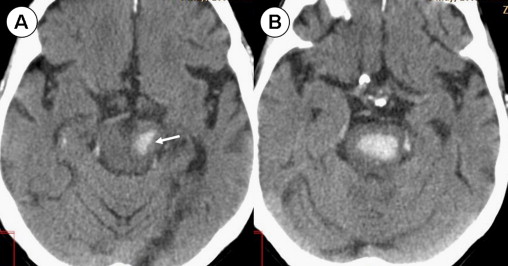
There are few things more humbling than spending your lunch hour watching videos of yourself learning to walk, talk, and generally function like a human being again. Today, I found myself rewatching the TikToks I posted during my stroke recovery—a sort of highlight reel of my greatest hits and near-misses, all set to whatever pop song was trending in 2022.

I was, if I may say so, impressively strong back then. Not because I was aspiring to be some inspirational poster child, but because, frankly, I had no other option. I chronicled everything: therapy sessions, daily triumphs, the occasional existential dread about the future. It’s all there, preserved in 60-second bursts for posterity—and, apparently, for my own forgetful self.

What struck me most was how much I’d forgotten. For example, I completely blanked on how much my body temperature regulation went haywire. I’m always cold, which is a fun little bonus when you’re also on blood thinners. I also forgot that I lost nerve sensation on my right side. My brain, ever the improviser, now guesses if something is hot or cold based on what my left side is feeling. If you hand me a mug of coffee and I grab it with my right hand, I couldn’t tell you if it’s piping hot or ice cold. It’s like living with a thermostat that’s been installed by a committee of squirrels.

Showers are a particularly surreal experience. If the water hits only my right side, I have no idea if I’m about to be poached or frozen. It’s weird, I know. But then again, the human body is basically a collection of weirdnesses held together by hope and duct tape.

Another delightful quirk: my sense of hunger has left the building. It’s been three years since the stroke, and my appetite is still on vacation. The cruel irony is that, while I don’t actually feel hungry, I still exhibit all the classic symptoms of hanger. My husband can attest to this, usually from a safe distance. Imagine being grumpy, irritable, and irrationally upset, but having no idea why—sort of like a toddler, but with a driver’s license.

Cognitive symptoms are another fun surprise party that my brain likes to throw, usually when I least expect it. Take last night, for example: I sat through a baseball game and froze my tukis off, and my brain responded by turning into a malfunctioning computer. The cold, combined with the sensory overload of the crowd, left me unable to think straight for the rest of the evening. I couldn’t find words, couldn’t remember which pedal was the brake, and brushing my kids’ teeth felt like assembling IKEA furniture without instructions.

Once I get my muscle memory going, I’m usually fine. But sometimes, just remembering how to start is like trying to recall the plot of a dream you had three years ago.

While I’m not exactly running marathons these days, walking and exercise in general have become my secret weapons. They help me feel sharper, more focused, and a little more like the version of myself I remember. Finding tools and routines that work for me is empowering—proof that, even when your brain is throwing curveballs, you can still swing for the fences.

The trick, I’ve learned, is being honest with myself about how I’m feeling. Denial is tempting, but the worst lies are always the ones we tell ourselves. So I keep walking, keep laughing, and keep sharing—even if it’s just with my future self over lunch.

In the end, recovery is less about “getting back to normal” and more about discovering a new normal, quirks and all. And if that means my right hand is forever confused about coffee temperature, well, at least it keeps life interesting.

Running through the Grocery Gauntlet

If you ever want to test the limits of optimism, try doing a weekly grocery order for a family of five. Statistically, you’re not alone. According to the USDA, the average American family of five spends between $939 and $1,520 a month on groceries, with some families reporting totals as high as $1,600. That’s enough to make you wonder if everyone else is eating caviar for breakfast or just feeding their children gold-plated Pop-Tarts.

Now, I’ll admit, my own grocery budget is a bit of an outlier. I aim for under $500 a month, which, if you believe the experts, puts me somewhere between “frugal genius” and “possible magician.” Yet, despite my best efforts, my cupboards are always full, but never with anything that can be thrown in the air fryer and called dinner. In fact, my idea of a home-cooked meal is whatever can be heated at 400 degrees for 12 minutes or less.

Here’s the thing: even when I do muster the energy to cook, my kids treat my culinary efforts with the enthusiasm usually reserved for dental appointments. The return on investment for dinner prep is, frankly, abysmal. And to add insult to injury, we’re rarely home to eat anything anyway. The average U.S. household wastes 6.2 cups of food per week-enough to fill 360 takeout containers per year-and I’m fairly certain my fridge is personally responsible for half of that statistic. If there were a frequent flyer program for spoiled leftovers, I’d be platinum status.

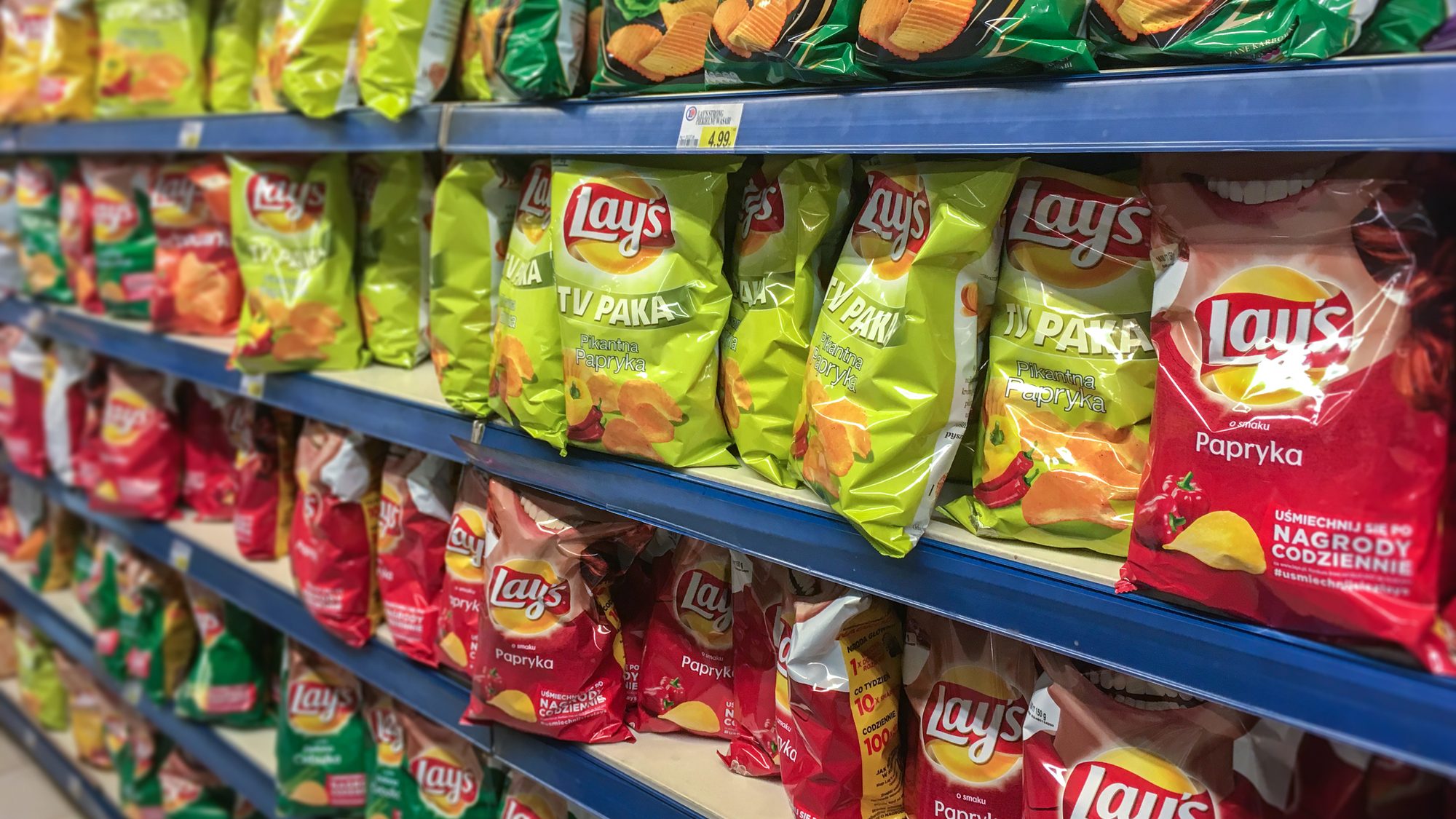
Despite all this, I find myself at the store every week, buying essentials like Pull-Ups, toilet paper, and enough snack-size chip bags to supply a small army. It’s never a one-and-done trip; it’s a perpetual scavenger hunt. And yes, I use coupons, rebate apps, and weekly flyers like a seasoned bargain hunter. I seldom buy name brands, but I don’t think our generic mac and cheese is the reason my children are staging a hunger strike.

Food waste is a national pastime: 30–40% of food in the U.S. ends up in the trash, costing households up to $1,500 a year. If saving money is the top motivator for reducing waste (as 82% of Americans claim), then why does my fridge look like a science experiment gone wrong by Thursday? Maybe it’s because, like 87% of households, we’re guilty of letting perfectly edible food sit until it’s past its prime. Or maybe it’s because we’re never home. Between baseball, wrestling, football, and the occasional “dinner” of granola bars and bologna sandwiches, our kitchen is more museum than restaurant.

I know my grocery bill will inevitably rise as my boys get older. They’re wrestlers, which means half the year is spent cutting weight, and the other half is spent eating like they’re preparing for hibernation. Statistically, teenage boys can consume up to 3,000 calories a day, which means my $500 budget may soon be as outdated as my expired yogurt.

We don’t have pets, so at least I’m not feeding a small zoo. Eating out is a rare treat- maybe two or three times a month, and even then, it’s usually pizza. According to the Bureau of Labor Statistics, the average American household spends nearly $3,000 a year on eating out, but I can assure you, we are not average in this department.

So, what’s the secret? Am I under-spending, or just under-cooking? Should I be eating better, or am I simply not spending enough to keep up with the Joneses and their well-stocked air fryers? All I know is, my waistline doesn’t seem to agree with my modest grocery bill, and my fridge remains a monument to good intentions and wasted leftovers.

If there’s a Nobel Prize for creative couponing and food waste, I’d like to be considered. Until then, I’ll keep shopping, keep saving, and keep wondering why there’s never anything for dinner.

Statistics cited from the USDA, Bureau of Labor Statistics, and MITRE-Gallup food waste survey.

Running for The Boy Mom’s Field Guide

Let us begin with a simple truth: if you are the mother of boys, you are not so much raising children as you are attempting to survive a long-running, low-budget circus, minus the elephants but with all the mess. For the uninitiated-those fresh-faced, hopeful “boy moms” who still believe their living room can be both stylish and functional-consider this your orientation. For the veterans among us, think of it as a comforting nod, a knowing glance across the playground, and perhaps a prompt to add your own hard-won wisdom to the canon.

1. If It Smells Like Pee, It’s Pee

There is no need to consult a flowchart or conduct a chemical analysis. If your nose so much as twitches, you can be certain: it’s pee. And it will be somewhere you never thought possible-behind the curtains, inside a toy truck, or, in a feat of physics, on the ceiling. Accept this early, and you’ll save yourself hours of fruitless denial.

2. Cheese Sticks and Fruit Snacks: The Universal Solvent

It is a well-documented fact (by me, just now) that boys will never eat the dinner you lovingly prepared. However, announce bedtime or suggest dental hygiene, and they will be gripped by a hunger so profound it borders on the existential. The solution? Cheese sticks and fruit snacks. These are the Swiss Army knives of boy parenting: they resolve tantrums, mend broken spirits, and, on occasion, substitute for actual meals.

3. You Can’t Have Nice Things

At some point-usually after the third shattered lamp or the fortieth marker mural on the wall-you will utter the phrase, “This is why we can’t have nice things.” You will say it daily, sometimes hourly. It is not a complaint; it is a mantra, a rite of passage, and possibly the title of your future memoir.

4. The Wardrobe of the Perpetually Disheveled

Knees will be ventilated, shirts will be adorned with a Pollock-esque array of stains, and you will be tempted to throw them away. Don’t bother. Any new clothes will be similarly decorated within hours, and your children are blissfully unconcerned with appearances. Consider it early training for Silicon Valley.

5. Something Broken? It’s Always the Second One

If you have more than one boy, brace yourself: the second child will be the one to break it. Whether it’s a toy, a gadget, or your last nerve, the first child might be the careful experimenter, but the second? The second is the wild card, the chaos agent, the reason you now have “fragile” stickers on everything

6. The Emergency Car Toilet

You may believe your car is for transportation. Your sons believe it is a mobile restroom. Always have an empty bottle or a lidded cup at the ready. The need will arise, usually on the highway, and always when you are out of options.

7. The Paper Tsunami

Each day, your children will return from school with a stack of papers that could be used to wallpaper your house. Sort through them, keep the one with actual importance (there will be one, possibly), and dispose of the rest. After two weeks, throw away the “important” ones, too. Your kitchen table will never be clear, but you can slow the encroachment.

8. Did I Just Say That?

You will find yourself saying things that, in any other context, would result in a wellness check from concerned neighbors. “Get your penis off the wall” and “Crayons do not go there” are just the beginning. Embrace the absurdity.

9. Your Husband Counts

Remember, you are raising more than your own offspring; you are, in a very real sense, raising someone else’s son as well. Your mother-in-law will be delighted.

10. Soak Up Every Minute

Despite the chaos, or perhaps because of it, these years are fleeting. Laugh, play, and try to remember it all, even the bits that smell suspiciously of pee.

In summary, being a boy mom is less a job than an adventure-one with fewer safety harnesses and more cheese sticks than you ever imagined. Enjoy the ride, and remember: you are not alone.

Running from the Random

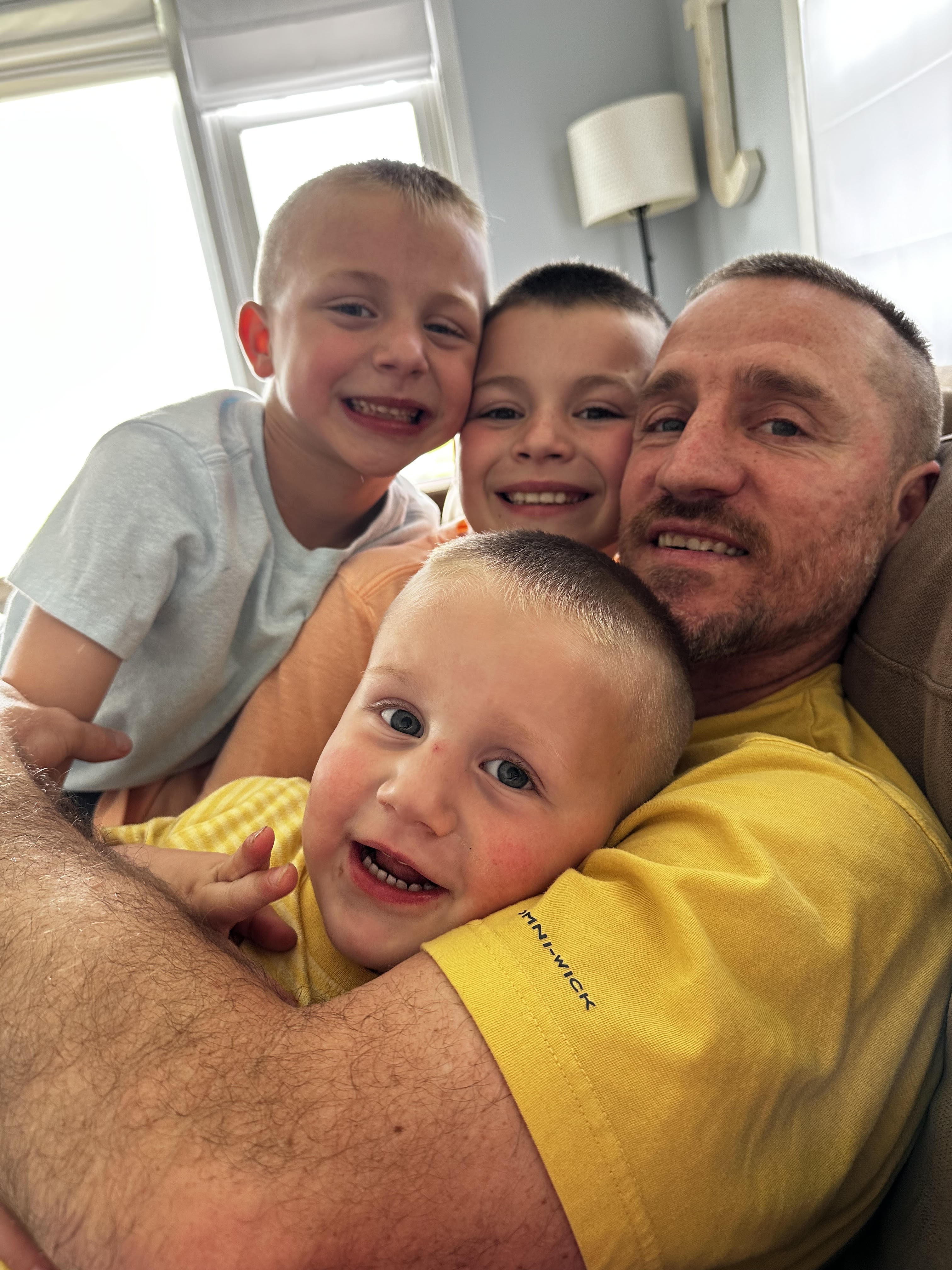
If there’s one thing I’ve learned as the parent of three small boys, it’s that the universe is not governed by the laws of physics, but by the availability of cheese sticks. The second most important thing is that nothing, absolutely nothing, will ever go as planned. I used to think I was in charge of my own life, but that was before I found myself negotiating a ceasefire over a half-eaten string cheese at 6:45 a.m. while simultaneously stepping on a Lego and contemplating the existential meaning of a chalk mural on the porch. In short: I’m not always laughing, but I am never, ever bored.

Take, for example, last Tuesday. I wandered into the kitchen, which, in our house, is less a place for food preparation and more a staging ground for minor acts of anarchy. There, my seven-year-old was lying flat on his back, surrounded by a blizzard of computer paper, bellowing “LOBOTOMY! LOBOTOMY!” at the ceiling with the sort of conviction usually reserved for Shakespearean actors and people who have just stubbed their toe on a coffee table. I had no context for this scene, and, frankly, I was too frightened to ask for one. Sometimes, as a parent, you learn that ignorance is not only bliss, it’s a survival strategy.

Now, I’d like to say that I handled this tableau with the calm, measured wisdom of a seasoned parent, but the truth is, after a recent bout of health problems, including heart surgery, I’m mostly just trying to keep everyone alive and the house from being condemned. Cleaning, organizing, or preparing for the days ahead have all taken a back seat to the more pressing goal of making it to bedtime with my sanity (mostly) intact.

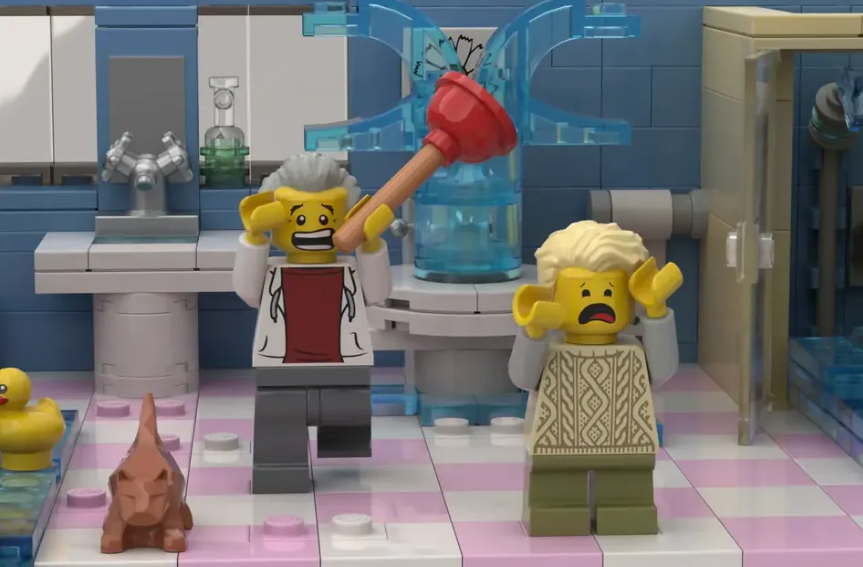
But necessity is the mother of invention, and so I have discovered a few ingenious ways to keep the children occupied while I attempt to rest and recover. Chief among these is the “Lego Dump.” This is a highly technical process in which I upend a tub of approximately 17,000 Lego pieces onto the sunroom floor and announce, with the gravitas of a NASA mission director, that I require them to build something very specific, say, flowers for me. This, in theory, should spark a harmonious burst of creative energy. In practice, it triggers a 90-minute debate over who stole Lego Spider-Man’s bottom half, followed by the construction of a swimming pool for a Minion, complete with a Lego parrot lifeguard and a suspiciously surly-looking unicorn.

The sunroom is now less a place for relaxation and more a minefield of plastic bricks, each one lying in wait to ambush my unsuspecting foot. I am convinced that, should archaeologists excavate our home centuries from now, they will assume we worshipped a pantheon of tiny, multicolored deities who demanded blood sacrifices in the form of parental toe injuries.

Still, the “Lego Dump” buys me precious minutes of rest time to recover from the Herculean effort of, say, moving from the couch to the kitchen on a Sunday. Recovery from heart surgery, as it turns out, is not the breezy spa vacation I’d hoped for. The good news is that I’ve lost weight, despite having done little more than sit very still for the last ten days. It’s a bit of a Catch-22: I can’t move much, but apparently, neither can my appetite.

So, here we are: three boys, two tired parents, a house that looks like the aftermath of a toy factory explosion, and a sunroom that doubles as a medieval torture chamber for feet. It’s not always pretty, and it’s rarely quiet, but it is, without question, never dull. And as any seasoned traveler (or parent) will tell you, sometimes the best stories come from the journeys you never planned to take.

Running towards Change

Let’s talk about crossroads. Not the Robert Johnson, “sold my soul to the devil and now I can play a mean blues guitar” kind, but the more mundane, “should I take the left path, the right path, or just sit down and have a sandwich?” variety. Life, it turns out, is littered with these intersections- some clearly marked, others disguised as perfectly ordinary Tuesdays. Sometimes you don’t even notice you’re at one until years later, when you realize that deciding to sit next to that stranger in Chemistry 101 led to marriage, children, and a lifelong inability to remember where you left your car keys.

Right now, I am standing at one of those crossroads, and not the metaphorical kind you can ignore until it disappears. Last Friday, I had heart surgery. (This is the sort of sentence that, if you’re lucky, you only have to write once in your life.) I’m in recovery, which mostly involves lying very still, contemplating the ceiling, and wondering if it’s possible to develop six-pack abs by sheer force of will. Spoiler: it is not.

The good news is, I’m on my way back to the body I knew before atrial fibrillation and a stroke decided to make themselves at home. The less-good news: I now have the stamina of a slightly asthmatic sloth and a to-do list that includes things like “walk to mailbox without needing a nap.” Progress, I’ve learned, is not a sprint. It’s more like a meandering stroll through a museum where half the exhibits are closed for renovation. And that’s okay. Sometimes watching things evolve slowly is its own kind of beautiful.

I’ve always been an athlete, or at least someone who owned a suspicious number of moisture-wicking shirts. My childhood was a montage of sports practices, muddy cleats, and the faint aroma of liniment. I majored in Sports Management, then doubled down with a Master’s in Sports Administration, because apparently I wanted to be able to administrate my own sports. I got married in a suite at a Cincinnati Reds game- a fact that is both romantic and, in retrospect, a logistical nightmare for anyone who dislikes stadium nachos. I’ve run four marathons, seven half marathons, two 10ks, and more 5ks than I can count. I coach volleyball. My husband coaches wrestling. My kids play sports. If you cut us, we bleed Gatorade.

So here I am, at a crossroads. One path leads to the couch, where I could spend the rest of my days as a professional spectator, perfecting the art of yelling at referees from the comfort of my living room. The other path is, frankly, a lot more work: getting back into shape after four months of enforced inactivity. (Technically, it’s been four years since I felt “normal,” but who’s counting? Oh, right. Me.) First, there was the stroke, which put a hard stop to regular exercise. Before that, I was pregnant, and my body decided to start practicing contractions at week eleven, which is a bit like showing up at the airport six months before your flight.

Anyway, I’m choosing the road less traveled. Not because I’m particularly brave, but because, as they say, “rent is due every day,” and I’ve been living rent-free in my own body for a bit too long. I want to feel like I’m in charge again, even if it means taking the scenic route, with plenty of rest stops along the way.

After all, you never really know what’s waiting around the next bend- maybe it’s a fresh challenge, maybe it’s a chance to surprise yourself, or maybe it’s just the satisfaction of putting one foot in front of the other again. Either way, onward.

Running from Danger

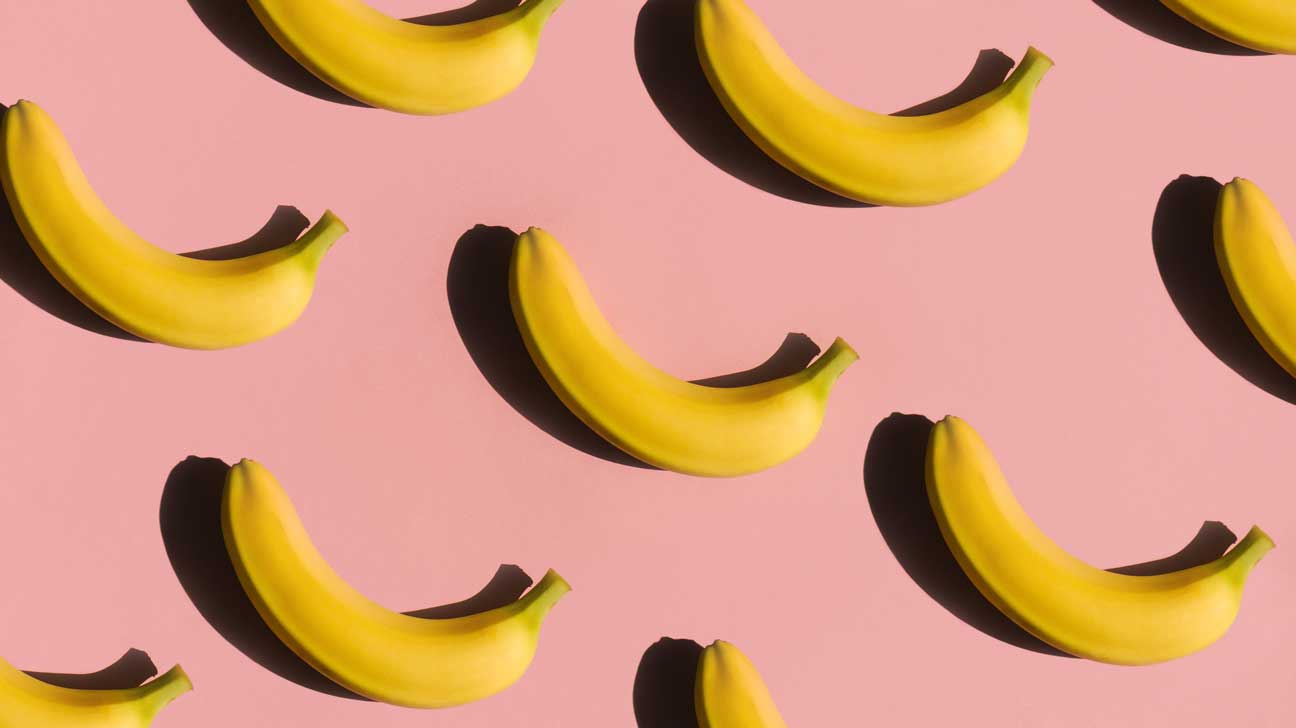
Let’s be honest: catastrophe is always lurking just outside the frame, like a raccoon in your garbage or a toddler with a marker. You can have your emergency fund, your canned beans, and enough insurance paperwork to wallpaper the Taj Mahal, but the universe remains stubbornly unscripted. If you think you can predict the future, I invite you to my house on banana-buying day.

Would I even want to know the future? I’m not sure my ego could survive it. It’s hard enough living with the knowledge that, in 2019, I bought a bread machine. If I knew everything ahead of time, I’d probably just curl up in a ball of embarrassment and never leave the linen closet. Honestly, most of my “big” decisions these days involve the produce aisle and the inscrutable dietary whims of small children. Bananas, for example: buy two, and the kids eat them in a single, frenzied sitting. Buy five, and they sit untouched, quietly evolving into fruit flies and existential regret.

Then there’s the matter of who gets to turn off the TV. In my house, this is not so much a simple request as it is a high-stakes summit meeting, complete with negotiations, shifting alliances, and the occasional threat of sanctions. Honestly, the Geneva Conventions could learn a thing or two from the way a three-year-old leverages bedtime against screen time. Choose the wrong delegate for this task, and you’re risking a meltdown of historic proportions—possibly involving tears, definitely involving accusations of gross injustice, and always requiring a follow-up peace treaty (usually brokered with applesauce or a cheese stick).

It’s a funny thing about decisions: what seems trivial to you can be life-altering to someone else—usually someone under four feet tall and heavily invested in Paw Patrol. As a parent, you’re not just steering your own ship; you’re captaining the whole flotilla, snack requests and all. The pressure is immense, but, as they say, pressure makes diamonds. (Or possibly just very tired people who dream of diamonds.)

By the time you’ve weathered three kids and a quarter-century of negotiations over bananas and TV remotes, you’re not so much a diamond as you are a well-worn pebble—polished, yes, but mostly from being rolled around by the tides of daily life. Maybe that’s why retirement is so sweet: it’s the first time in decades you get to decide, with no consequences, how many bananas to buy. And if you get it wrong? Well, there’s always banana bread.

Running from my Identity

To know where you are going, you first have to know where you are. This is a truth so obvious it feels like something Confucius might have muttered after a particularly satisfying lunch, but it’s also a truth I’ve been grappling with lately. Somehow, I’ve managed to stumble from 2014 to 2025 with all the grace and clarity of someone trying to find their glasses while wearing them on their head. The years have passed in a blur, and the culprit, I suspect, is motherhood—a phenomenon that seems to simultaneously rob you of your sanity while gifting you moments so absurdly wonderful they make you question whether sanity was ever necessary in the first place.

Let me be clear: I love my kids. I love them so much that if licking them were socially acceptable, I’d be first in line. They are hilarious little creatures, full of quirks and chaos. But—and here’s the part where I feel compelled to duck for cover—I wouldn’t do it again if given the chance. Not because they aren’t delightful (they are), but because motherhood is less a journey and more an endurance test disguised as a Hallmark card. Since their arrival, sleep has become a distant memory, like an old friend who moved away and stopped returning your calls. Eleven years without sleep—imagine that. It’s not just inconvenient; it’s practically a science experiment.

The funny thing is that while my life seemed to unravel in the wake of parenthood, my children somehow stitched me back together in ways I didn’t expect. After my stroke—a terrifying event that left me questioning everything about myself—they reminded me of who I was, or at least who I could still be. Depression has since taken its toll on my fragile brain, leaving me feeling like a poorly assembled IKEA shelf: functional but precariously balanced.

And so here I am, pondering reinvention—a word that sounds far more glamorous than it feels. Reinventing oneself is tricky business when you’re not entirely sure where you stand to begin with. How can you chart a course forward if you don’t even know your starting point? It’s like trying to navigate with a map of Narnia when what you really need is Google Maps.

The truth is, I don’t always like myself. In fact, most days I feel like a terrible person—a sentiment that’s both exhausting and oddly comforting in its consistency. Misunderstood? Certainly. But also deeply flawed in ways that make me wonder if reinvention is even possible or if I’m simply destined to muddle along as I am.

Still, there’s something oddly liberating about acknowledging all this messiness—the sleepless nights, the existential crises, the moments of joy so profound they make your heart ache. Life isn’t tidy; it’s a sprawling, chaotic narrative full of plot twists and questionable character development. And maybe that’s okay. Maybe knowing where you are—messy and imperfect as it may be—is enough to start figuring out where you’re going next.

Running from the Schedule

Anyone who has ever taken up running knows that a training plan has the uncanny ability to commandeer your calendar with the precision of a military operation. Suddenly, your weeks are peppered with 40-minute cross-training sessions, midweek 3-milers, and those dreaded Sunday long runs. It’s a relentless march of miles and minutes that feels both necessary and slightly masochistic. The irony, of course, is that while sticking to the schedule is meant to prepare you for race day, it can also leave you feeling like you’ve aged a decade in the process.

Take, for example, one particularly ill-fated 14-mile long run I endured. It was one of those runs where everything that could go wrong did—legs like lead, lungs on strike, and a general sense that the universe was conspiring against me. For three weeks afterward, I agonized over it, convinced that my marathon (still months away) was doomed because of this single bad outing. Spoiler alert: it wasn’t. But try telling that to my overthinking brain at the time.

Of course, running isn’t the only thing vying for space on my calendar these days. No, the real chaos begins when you add in my children’s baseball practices (two per kid per week), their games (sometimes three per kid per week), my volleyball coaching schedule (up to four games a week plus practices), dentist appointments, and—oh yes—a looming heart surgery. Somewhere in this maelstrom of activity is a vague hope of eating dinner, doing laundry, and remembering which parent needs the van for chauffeuring duties. It’s less “organized chaos” and more “chaos with occasional bursts of organization.”

Preparation, I’ve learned, is key to surviving this whirlwind. Theoretically, anyway. In practice, I’m hit or miss. Some nights I manage to do things my future self will thank me for—like setting up the coffee maker so all it needs is a flick of the switch in the morning. Other nights I collapse into bed with the vague hope that tomorrow will sort itself out (it rarely does).

With my April 25th surgery looming ever closer, I’m trying to lean into this whole “being prepared” thing more than usual. My post-surgery self will undoubtedly appreciate it—and so will my husband, mom, and aunt, who are poised to pick up the slack if I don’t get my act together. They’re lovely people but probably not thrilled at the prospect of navigating the fallout from my lack of planning.

In the end, though, life—like running—isn’t about perfection. It’s about putting one foot in front of the other and hoping you don’t trip over your own shoelaces along the way. And if all else fails? There’s always coffee waiting for me in the morning… assuming I remembered to set it up.

Running from Reality: A Midlife Meander Through the Absurd

Let’s talk about expectations. When you’re knee-high to a grasshopper, do you envision yourself, decades later, as a 42-year-old survivor of both a stroke and the relentless existential dread that comes with being a modern human? Do you foresee a domestic landscape populated by a nine-year-old space expert (who knows more about black holes than I do about, well, anything), a six-year-old bottomless pit of a child (whose digestive system operates with the efficiency of a garbage disposal), a three-year-old dictator (who probably runs a tighter ship than most Fortune 500 CEOs), and a husband whose devotion to wrestling occasionally surpasses even his fondness for his long-suffering wife?

No? Me neither.

Life, as they say, has a way of rearranging the furniture. It presents you with a neatly packed suitcase of dreams and aspirations, then promptly throws it off a speeding train. You’re left standing on the platform, blinking in confusion, surrounded by scattered socks and a crumpled map of the world as you thought it would be.

And so, one finds oneself at an… interesting juncture. Not ungrateful, mind you. Gratitude is a very important thing and I practice it daily. But also not… entirely thrilled. Frankly, some days, the sheer weight of it all—the demands, the responsibilities, the unrelenting cacophony of tiny voices—can feel like trying to swallow a particularly dense and thorny cactus.

This, dear reader, is where the running comes in.

Because when life serves up a generous helping of the unexpected, you have two choices: you either roll over and play dead, or you lace up your sneakers and attempt to outrun the encroaching sense of… something. What that something is, I’m still trying to figure out. Midlife crisis? Existential angst? The lingering effects of neurological trauma? Probably a delightful cocktail of all three, shaken, not stirred.

Now, about that cactus. You could try to stomach it whole and learn to appreciate its unique flavor profile (a flavor that, I suspect, closely resembles despair). Or, you could opt for a slightly more palatable solution. Which is, in my case, a small, round, Lexapro-shaped lifesaver. Remember that thorny cactus? Well, this little pill helps to smooth down the spikes. Not a cure, mind you. More of a… temporary truce.

The reality, as I’m slowly coming to accept, is that some days the chatter in my head resembles a flock of startled parrots engaged in a heated debate about the merits of various brands of birdseed. Other days, it’s more like a swarm of angry bees, buzzing furiously around a nest of anxieties. Saturdays, in particular, can be perilous. With the structure of the workweek stripped away, and the schedule blissfully (or terrifyingly) sparse, there’s simply too much time to think. Too much time to ruminate. Too much time to engage in the delightful pastime of self-loathing.

The medication has quieted the noise, and the relief is palpable. But it’s also… unsettling. I’m calmer. Less anxious. Something I haven’t felt in years. It feels a little like wearing someone else’s skin.

Here’s the kicker: I’m still trying to figure out who “I” am now. The stroke, the medication, the relentless march of time—they’ve all conspired to create a somewhat… unfamiliar version of myself. I don’t quite recognize myself. I haven’t been myself in about three years now, and I’m still trying to figure out where the trail leads. Am I back to myself? Am I a new version? Am I just out here, aimlessly running?

But this, surprisingly, is a happy post. Because in the midst of all this uncertainty, there’s a glimmer of something resembling hope. A sense of relief. The freedom to breathe, even if the air feels a little… different.

And, dear reader, you’re getting to witness it all unfold. As I stumble and fumble my way through this new normal, as I tentatively piece together the fragments of my former self, I’m sharing it all with you. You’re getting the real-time, uncensored, occasionally-slightly-medicated revelation of me. Aren’t you just thrilled? I know I am. Mostly. Well, sometimes. Okay, maybe only on Tuesdays. But still… progress!

Now, if you’ll excuse me, I have a three-year-old dictator to appease. And a five-mile run to “escape” into. Wish me luck. I have a feeling I’m going to need it.