
If you ever want to test the limits of optimism, try doing a weekly grocery order for a family of five. Statistically, you’re not alone. According to the USDA, the average American family of five spends between $939 and $1,520 a month on groceries, with some families reporting totals as high as $1,600. That’s enough to make you wonder if everyone else is eating caviar for breakfast or just feeding their children gold-plated Pop-Tarts.
Now, I’ll admit, my own grocery budget is a bit of an outlier. I aim for under $500 a month, which, if you believe the experts, puts me somewhere between “frugal genius” and “possible magician.” Yet, despite my best efforts, my cupboards are always full, but never with anything that can be thrown in the air fryer and called dinner. In fact, my idea of a home-cooked meal is whatever can be heated at 400 degrees for 12 minutes or less.
Here’s the thing: even when I do muster the energy to cook, my kids treat my culinary efforts with the enthusiasm usually reserved for dental appointments. The return on investment for dinner prep is, frankly, abysmal. And to add insult to injury, we’re rarely home to eat anything anyway. The average U.S. household wastes 6.2 cups of food per week-enough to fill 360 takeout containers per year-and I’m fairly certain my fridge is personally responsible for half of that statistic. If there were a frequent flyer program for spoiled leftovers, I’d be platinum status.
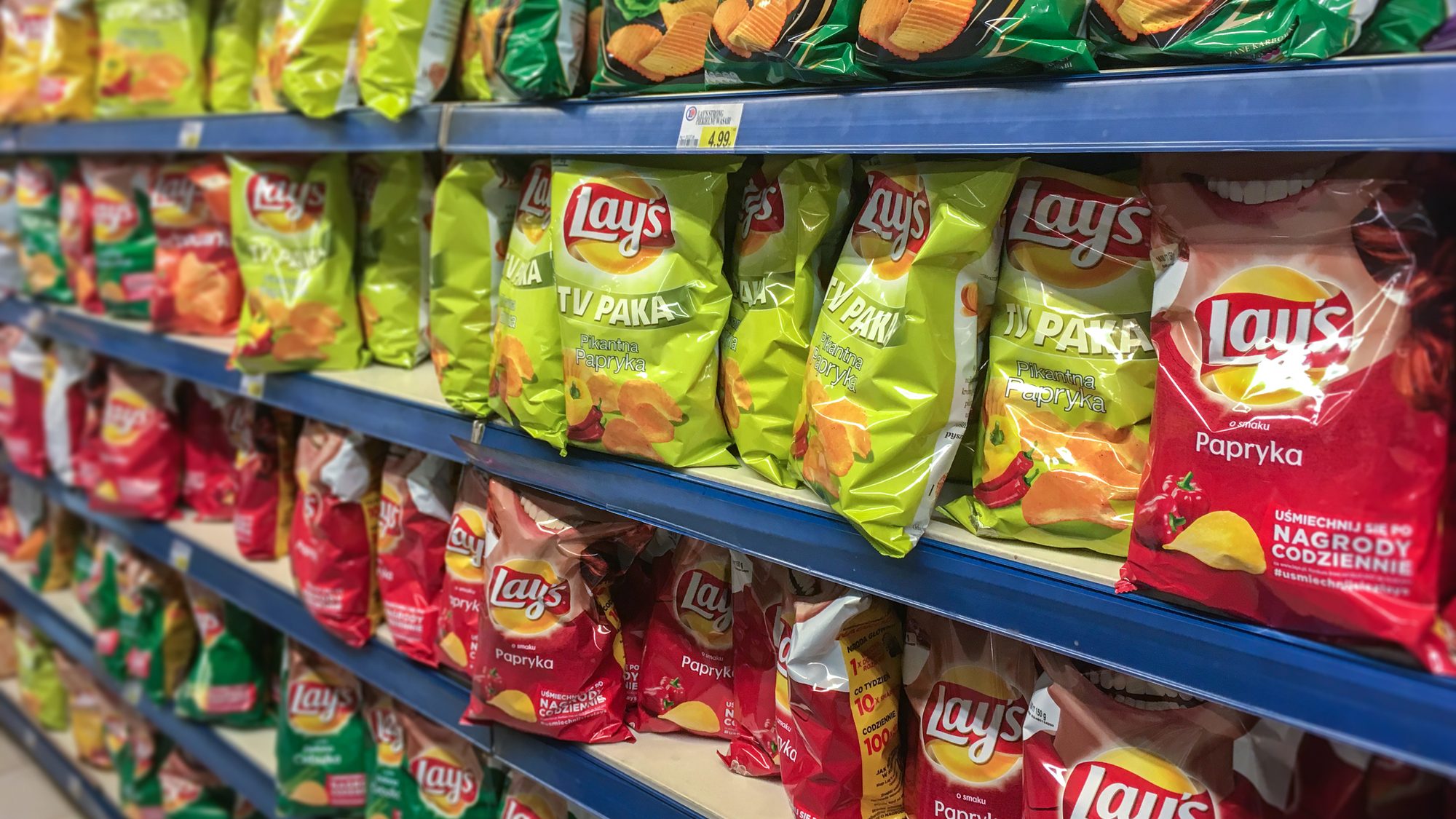
Despite all this, I find myself at the store every week, buying essentials like Pull-Ups, toilet paper, and enough snack-size chip bags to supply a small army. It’s never a one-and-done trip; it’s a perpetual scavenger hunt. And yes, I use coupons, rebate apps, and weekly flyers like a seasoned bargain hunter. I seldom buy name brands, but I don’t think our generic mac and cheese is the reason my children are staging a hunger strike.
Food waste is a national pastime: 30–40% of food in the U.S. ends up in the trash, costing households up to $1,500 a year. If saving money is the top motivator for reducing waste (as 82% of Americans claim), then why does my fridge look like a science experiment gone wrong by Thursday? Maybe it’s because, like 87% of households, we’re guilty of letting perfectly edible food sit until it’s past its prime. Or maybe it’s because we’re never home. Between baseball, wrestling, football, and the occasional “dinner” of granola bars and bologna sandwiches, our kitchen is more museum than restaurant.
I know my grocery bill will inevitably rise as my boys get older. They’re wrestlers, which means half the year is spent cutting weight, and the other half is spent eating like they’re preparing for hibernation. Statistically, teenage boys can consume up to 3,000 calories a day, which means my $500 budget may soon be as outdated as my expired yogurt.
We don’t have pets, so at least I’m not feeding a small zoo. Eating out is a rare treat- maybe two or three times a month, and even then, it’s usually pizza. According to the Bureau of Labor Statistics, the average American household spends nearly $3,000 a year on eating out, but I can assure you, we are not average in this department.
So, what’s the secret? Am I under-spending, or just under-cooking? Should I be eating better, or am I simply not spending enough to keep up with the Joneses and their well-stocked air fryers? All I know is, my waistline doesn’t seem to agree with my modest grocery bill, and my fridge remains a monument to good intentions and wasted leftovers.
If there’s a Nobel Prize for creative couponing and food waste, I’d like to be considered. Until then, I’ll keep shopping, keep saving, and keep wondering why there’s never anything for dinner.
Statistics cited from the USDA, Bureau of Labor Statistics, and MITRE-Gallup food waste survey.


 Running From Everything